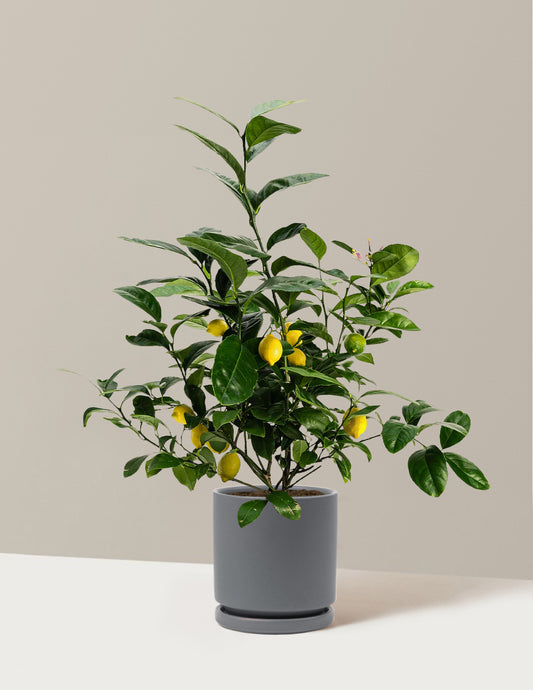
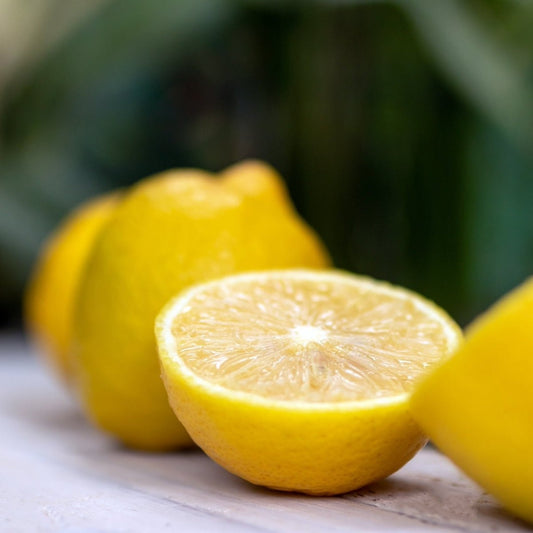
Grow Your Own Lemons, Indoors

Fragrant blooms, glossy evergreen leaves, and real fruit you can pick from your own living room. Our Meyer Lemon Trees are hand-selected, sustainably grown, and shipped ready to thrive.

Shop Lemon Trees

  • Growing Zone: 4-11 patio / 8-11 outdoors

    Meyer Lemon Bush

    Store bought < backyard grown
    Comes with a FREE Grow Kit! While supplies last.
    From $99 $109
    Free Gift With Purchase
  • Growing Zone: 4-11 patio / 8-11 outdoors

    Meyer Lemon Tree

    Indoor/Outdoor Versatility
    Comes with a FREE Grow Kit! While supplies last.
    From $99 $115
    Free Gift With Purchase
  • Growing Zone: 4-11 patio / 9-11 outdoors

    Lisbon Lemon Tree

    From $119 $139
    On Sale
  • Growing Zone: 4-10 patio / 9-10 outdoors

    Genoa Lemon Tree

    From $119 $139
    On Sale

Why Meyer Lemons?

SELF-POLLINATING: Meyer lemon trees don't need a partner to fruit. A single tree, given enough light, will flower and set fruit on its own — meaning you can grow lemons in an apartment without a greenhouse.

HAND-SELECTED: Every tree we ship is chosen at the right stage of maturity to handle the move into your home. They arrive established, healthy, and often already budding or fruiting.

YEAR-ROUND BLOOMS: Unlike most fruit trees, Meyer lemons can bloom and fruit multiple times a year indoors. Expect intensely fragrant white flowers followed by glossy green fruit that ripens to a deep golden-yellow.

Shop Now

Easier than you think.

How to Grow a Lemon Tree Indoors

Four things determine whether your lemon thrives. Get these right and you'll have fruit.

  • Light

    Lemon trees need at least 6 hours of direct sun daily. A south- or west-facing window is ideal. If your space is darker, supplement with a full-spectrum grow light.

  • Water

    Water deeply when the top 2 inches of soil are dry — usually every 7 to 10 days. Citrus prefer to dry out slightly between waterings. Soggy roots are the #1 killer.

  • Temperature

    Comfortable in 55–85°F. Keep away from cold drafts and heating vents. If you summer it outdoors, bring it back inside before nights drop below 50°F.

  • Feeding

    Feed with a citrus-specific fertilizer every 4–6 weeks during spring and summer. Lemons are heavy feeders — proper nutrition is the difference between a houseplant and a fruiting tree.

  • Citrus Trees: A Beginner's Guide

    Everything you need to know to plant, place, and care for your first citrus tree.

    Read the guide 
  • Citrus 101: Pollination

    How indoor citrus trees flower, fruit, and what you can do to help them along.

    Learn about pollination 
  • Citrus 101: Pruning

    When and how to prune your citrus tree to keep it healthy, shapely, and productive.

    Learn how to prune 
  • Citrus 101: Harvesting

    How to know when your lemons are ripe and the best way to pick them off the tree.

    Learn how to harvest 
1 of 4

Questions about growing lemons indoors? We've got you.

Lemon Tree FAQs

Can a lemon tree really grow indoors?

Yes — the Meyer lemon is one of the few citrus varieties bred specifically to do well in containers and indoor environments. The keys are bright direct light (6+ hours), well-draining soil, and consistent watering. With those basics in place, an indoor Meyer lemon will flower, fruit, and live for many years.

How long until my tree produces lemons?

Our trees ship as established, mature plants — many arrive already in flower or fruit. Once settled in, a healthy Meyer lemon will typically bloom within a few months and produce ripe fruit 6 to 9 months after flowering. Indoor trees can fruit multiple times per year.

What's the difference between a Meyer lemon and a regular lemon?

Meyer lemons are a natural hybrid of true lemons and mandarin oranges. They are sweeter, less acidic, and more aromatic than the Eureka or Lisbon lemons sold at most grocery stores. They are also more cold-tolerant and far better suited to container growing — which is why they are the go-to choice for indoor citrus.

Do I need two trees for pollination?

No. Meyer lemons are self-pollinating, so a single tree is all you need to produce fruit. Outdoors, bees and wind handle pollination. Indoors, you can give your tree a hand by gently shaking the branches when it's in bloom or transferring pollen between flowers with a small soft brush.

Are lemon trees safe for pets?

Citrus plants, including Meyer lemons, are considered mildly toxic to cats and dogs if the leaves or peels are chewed in large amounts. Most pets aren't tempted by them, but if you have a curious chewer, keep the tree out of reach.

How do I care for my lemon tree in winter?

Indoor light drops sharply in winter, so move your tree to your brightest window or add a grow light. Cut back on watering — the soil should dry more between waterings — and stop fertilizing until spring. Keep it away from cold drafts and heating vents, both of which stress the tree.

bundle | 1 Gallon | Isabella | Granite

Ready to Grow Your Own?

Hand-selected, sustainably grown, and backed by our 30-day Happiness Guarantee.

Shop Lemon Trees