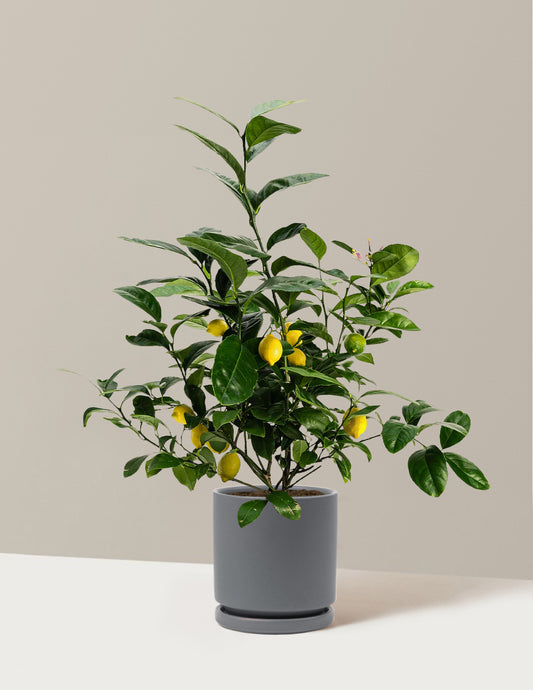
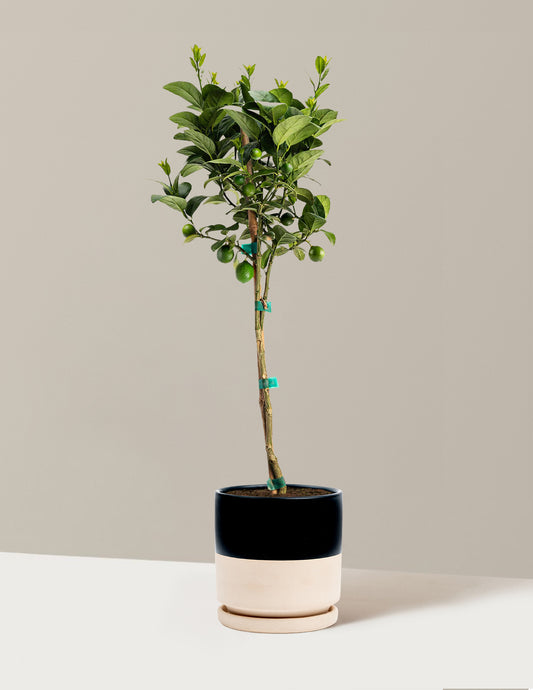
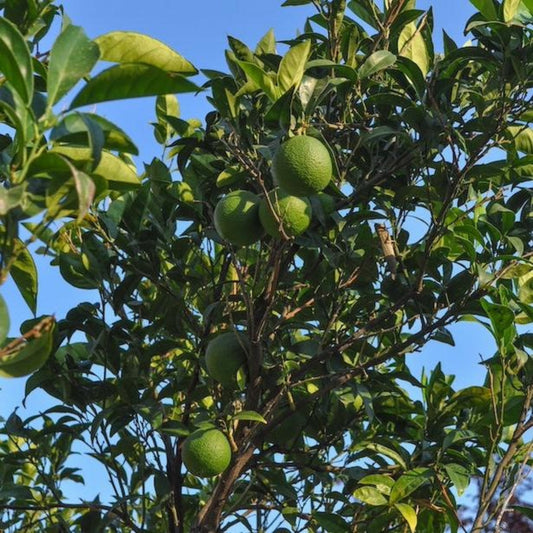
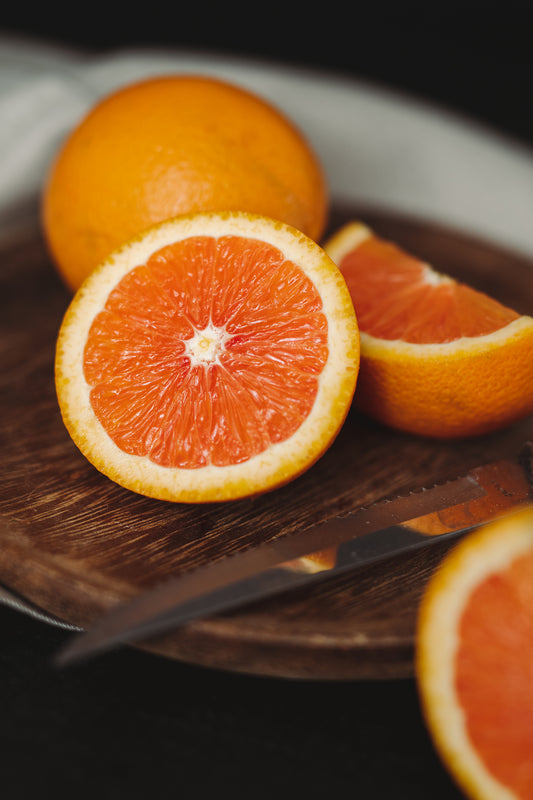
Gifting has never been easier
Enter your message and select when to send it.
Find products that match your taste
Pick a day that works for you — we'll send your plant so it arrives healthy and happy.
Tell us your location so we can recommend the plants and trees best suited for your climate.
Growing ZoneEnter a valid zip code
Lemons, Limes, Mandarins & More — Grown at Home
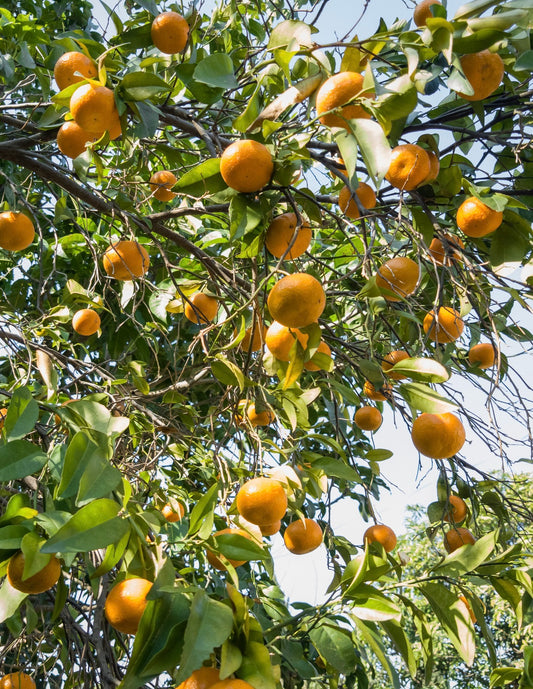
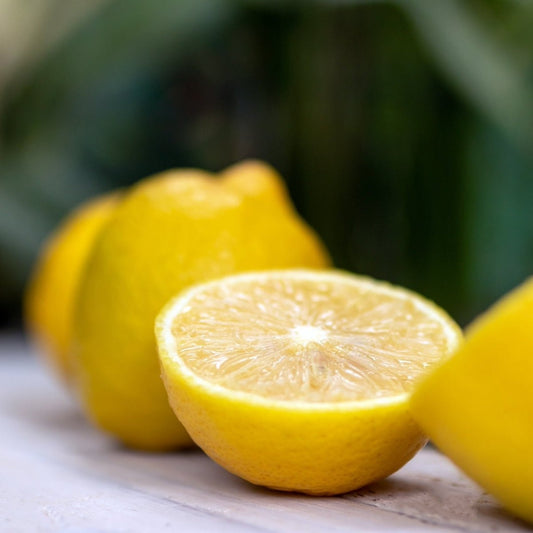
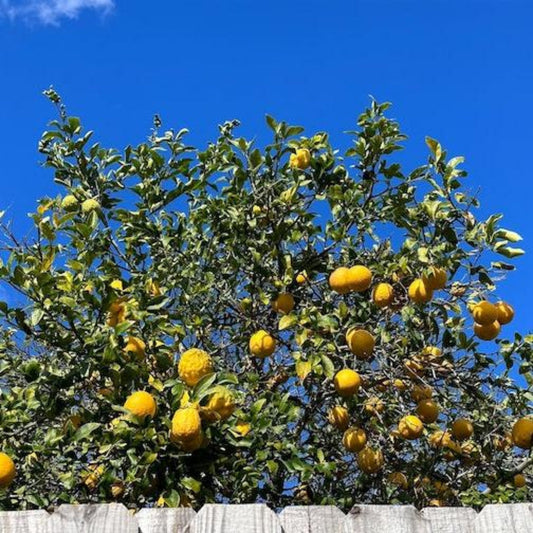
From fragrant Meyer lemons to sweet California Honey mandarins, our citrus trees are greenhouse-grown, hand-selected, and shipped ready to thrive. Most are self-pollinating — meaning a single tree is all you need to harvest real fruit at home.
Whether you're growing on a sunny patio, a balcony, or next to your brightest window, we carry varieties that fruit in containers and overwinter indoors in cooler climates. Every tree ships with care instructions and our 30-day happiness guarantee.
Citrus trees are among the few fruit trees that thrive in containers and produce indoors. Their glossy evergreen leaves look beautiful year-round, the flowers are intensely fragrant, and the fruit is sweeter than anything you'll find at the store.
SELF-POLLINATING: Most citrus varieties don't need a partner tree to set fruit. A single tree on a sunny patio or next to a bright window will flower and produce on its own.
YEAR-ROUND INTEREST: Unlike deciduous fruit trees, citrus are evergreen — you get glossy foliage, fragrant blooms, and colorful fruit across multiple seasons.
CONTAINER-FRIENDLY: Dwarf and semi-dwarf citrus varieties are perfectly suited to pots. Grow them on a patio in summer and bring them indoors before the first frost.
Easier than you think.
Four things determine whether your citrus tree thrives. Get these right and you'll have fruit.
Citrus trees need at least 6 hours of direct sun daily. A south- or west-facing window is ideal indoors. Outdoors, full sun is best. If your space is darker, supplement with a full-spectrum grow light.
Water deeply when the top 2 inches of soil are dry — usually every 7 to 10 days. Citrus prefer to dry out slightly between waterings. Soggy roots are the #1 killer of indoor citrus.
Most citrus are comfortable in 55–85°F. Keep away from cold drafts and heating vents. If you summer them outdoors, bring them back inside before nights drop below 50°F.
Feed with a citrus-specific fertilizer every 4–6 weeks during spring and summer. Citrus are heavy feeders — proper nutrition is the difference between a houseplant and a fruiting tree.
Everything you need to know to plant, place, and care for your first citrus tree.
How indoor citrus trees flower, fruit, and what you can do to help them along.
When and how to prune your citrus tree to keep it healthy, shapely, and productive.
How to know when your citrus is ripe and the best way to pick it off the tree.
Questions about growing citrus at home? We've got you.
Yes — several citrus varieties do well indoors, especially Meyer lemons, key limes, and calamondin oranges. The keys are bright direct light (6+ hours), well-draining soil, and consistent watering. With those basics in place, an indoor citrus tree will flower, fruit, and live for many years.
Our trees ship as established, mature plants — many arrive already in flower or fruit. Once settled in, a healthy citrus tree will typically bloom within a few months and produce ripe fruit 6 to 9 months after flowering. Indoor trees can fruit multiple times per year depending on the variety.
The Meyer lemon is the most popular choice for first-time citrus growers. It's compact, self-pollinating, cold-tolerant, and produces sweeter, less acidic fruit than grocery store lemons. Key limes and calamondin oranges are also excellent beginner-friendly options — both are compact and prolific fruiters in containers.
No. Most citrus trees are self-pollinating, so a single tree is all you need to produce fruit. Outdoors, bees and wind handle pollination. Indoors, you can help by gently shaking the branches when the tree is in bloom or transferring pollen between flowers with a small soft brush.
Citrus plants are considered mildly toxic to cats and dogs if the leaves or peels are chewed in large amounts. Most pets aren't tempted by them, but if you have a curious chewer, keep the tree out of reach.
If your tree is outdoors, bring it inside before nighttime temperatures drop below 50°F. Indoor light drops sharply in winter, so move your tree to your brightest window or add a grow light. Cut back on watering — the soil should dry more between waterings — and stop fertilizing until spring. Keep it away from cold drafts and heating vents.
Gifting has never been easier
Enter your message and select when to send it.