Plants 101
Bird of Paradise Care Guide
Unusual, gorgeous, tropical. If you’ve ever mistaken a plant for a bird, or vice versa, you may have encountered a Bird of Paradise plant. Let’s take a closer look at this natural wonder.

The Bird of Paradise, scientifically known as Strelitzia reginae, is a species of evergreen tropical herbaceous plant, native to South Africa. This striking plant is a favorite among both indoor and outdoor gardeners for its lush, fan-like foliage and dramatic flowers. Given its own family Strelitziaceae by taxonomists, it is still closely related to bananas (Musaceae). Many often mistaken this plant for the “banana tree” because it looks like banana plants due to the natural leaf splitting both plants develop.
Leaf splitting is a common occurrence in Bird of Paradise plants, where the large, paddle-shaped leaves develop natural tears or splits along the edges. This happens as the plant grows, often due to wind, handling, or the weight of the leaves themselves. In their native environment, these splits help the plant withstand strong winds by reducing resistance. The leaf splitting is a natural characteristic and doesn’t harm the plant.

These regal plants (for which they are named, reginae) are named for the beautiful, orange crane-like flowers that they produce, like birds of paradise. Each bloom features a bold, beak-like structure in vivid shades of orange, blue, and purple, emerging from a green, boat-shaped bract, however, there are also white birds of paradise. The flowers stand tall on long, sturdy stems, and their unique form and brilliant colors make them a captivating focal point in any garden or floral arrangement.
Under the right conditions, including full, southern light exposure, proper humidity, and temperature, Bird of Paradise may flower indoors, although this is rare. To encourage blooming, ensure your plant is getting enough light and proper care. Some gardeners find that slightly stressing the plant by reducing water or increasing light for a short period can stimulate flowering.
Bird Of Paradise Care Instructions
With its vibrant, bird-like flowers and lush foliage, it's no wonder this plant is a favorite among gardeners and indoor plant enthusiasts alike. Understanding the care needs and unique characteristics of the Bird of Paradise can help you cultivate a lush, thriving plant.
Sunlight
Thrives in bright indirect light to full sun when acclimated. Preferably found in a West or South facing window, but smaller specimens can be started in an Eastern exposure. Not suited for low light conditions which can inhibit its growth and decreases any chance of the plant flowering. If you don't have the means of natural lighting, you can always use a grow light!
Water
Water every 1-2 weeks, allowing soil to mostly dry out between waterings. Expect to water more often in brighter light and less often in lower light. Pro tip: Birds of Paradise can benefit from filtered water or water left out overnight before using.
Humidity
Normal room humidity will do but the Bird of Paradise prefers higher humidity conditions if possible, preferably between 50-70%. Consider incorporating a humidifier to boost humidity levels more consistently if the air in the home is dry.
Temperature
The Bird of Paradise will prefer temps in the 65°F-85°F range (18°C-30°C). It’s best not to let it go below 60°F (15°C) to prevent cold damage.

Potting & Soil
Repot when its roots start growing out of the drainage holes or when it becomes root-bound, typically every 2-3 years depending on how fast it grows. Spring is the best time to repot, as the plant is actively growing. Choose a pot that’s 1-2 inches larger in diameter than the current one. When repotting, be gentle with the roots as they can be sensitive.
Use a well-draining potting mix that is rich in organic matter. If desired, you can mix in extra ingredients such as perlite or lava rocks to increase soil aeration and drainage around the roots.
Fertilizer
Fertilize on a bi-weekly basis during the growing season (spring and summer) using a balanced, water-soluble fertilizer applied at the time of watering. You can also use a slow-release fertilizer at the beginning of spring.
Reduce or stop fertilizing during the fall and winter when the plant’s growth slows, but if you're growing under a grow light year-round you can continue to fertilize. Always follow the instructions on the fertilizer label for best results.
Pruning
The Bird of Paradise doesn't require much pruning aside from removing dead, lackluster foliage or to control the size of the plant as it matures.
To prune, use clean, sharp pruners and remove dead or yellowing leaves by cutting them at the base. If the plant becomes too large or leggy, you can trim it back to control its size.
Propagation
Aside from growing by seed, the only other way to propagate a Bird of Paradise is by root division. When repotting, carefully separate the rhizomes and plant them in individual pots. Ensure each division has at least one healthy shoot and a good root system.

Common Problems
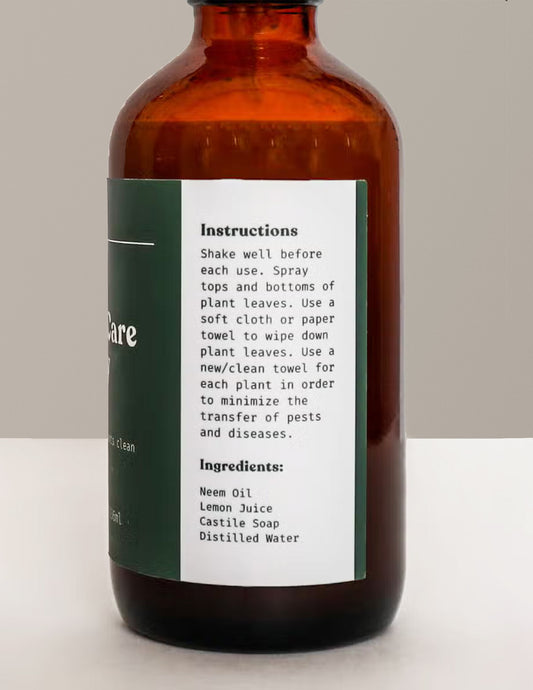
The Bird of Paradise is an easy-going plant and is generally pest-free but can be prone to spider mites. Treat pests as soon as they appear with weekly sprays of a natural pesticide like neem oil or an insecticide and regularly wipe-down the plants leaves.
Here are some common problems you may encounter when caring for a Bird of Paradise:
SYMPTOM: Splits along sides of leaves
CAUSE: Normal adaptive precaution to help the plant bear strong winds in its natural habitat
SYMPTOM: Yellowing lower leaves, wet potting mix
CAUSE: Overwatered
SYMPTOM: Curling or brown edges, dry potting mix
CAUSE: Thirsty plant, underwatered
FAQs
Are Bird of Paradise toxic to cats?
Bird of Paradise are toxic and can be irritating to cats, dogs, and humans if foliage is consumed. Best practice is always to keep houseplants out of reach of small children and pets.
Why are my Bird of Paradise leaves turning yellow?
Leaves may turn yellow due to overwatering, insufficient lighting, or nutrient deficiencies, particularly a lack of nitrogen. A sudden change in temperature or a pest infestation might also be a factor.
What is causing the leaves to split on my Bird of Paradise?
The leaves naturally split to allow wind to pass through without damaging the plant in its native environment. This splitting helps the plant to remain stable and reduces the risk of leaf tearing in strong winds. In indoor settings, leaf splitting can also occur due to low humidity or physical damage.
Perfect Pairings For Your Plants
-
-
-
New Arrival
-
-
New Arrival
-
-
-







Words By The Sill
Empowering all people to be plant people—a collection of articles from The Sill's team of plant experts across a variety of plant care topics to inspire confidence in the next generation of plant parents. Welcome to Plant Parenthood™.
Do Some Plant Shopping