Skip to product information

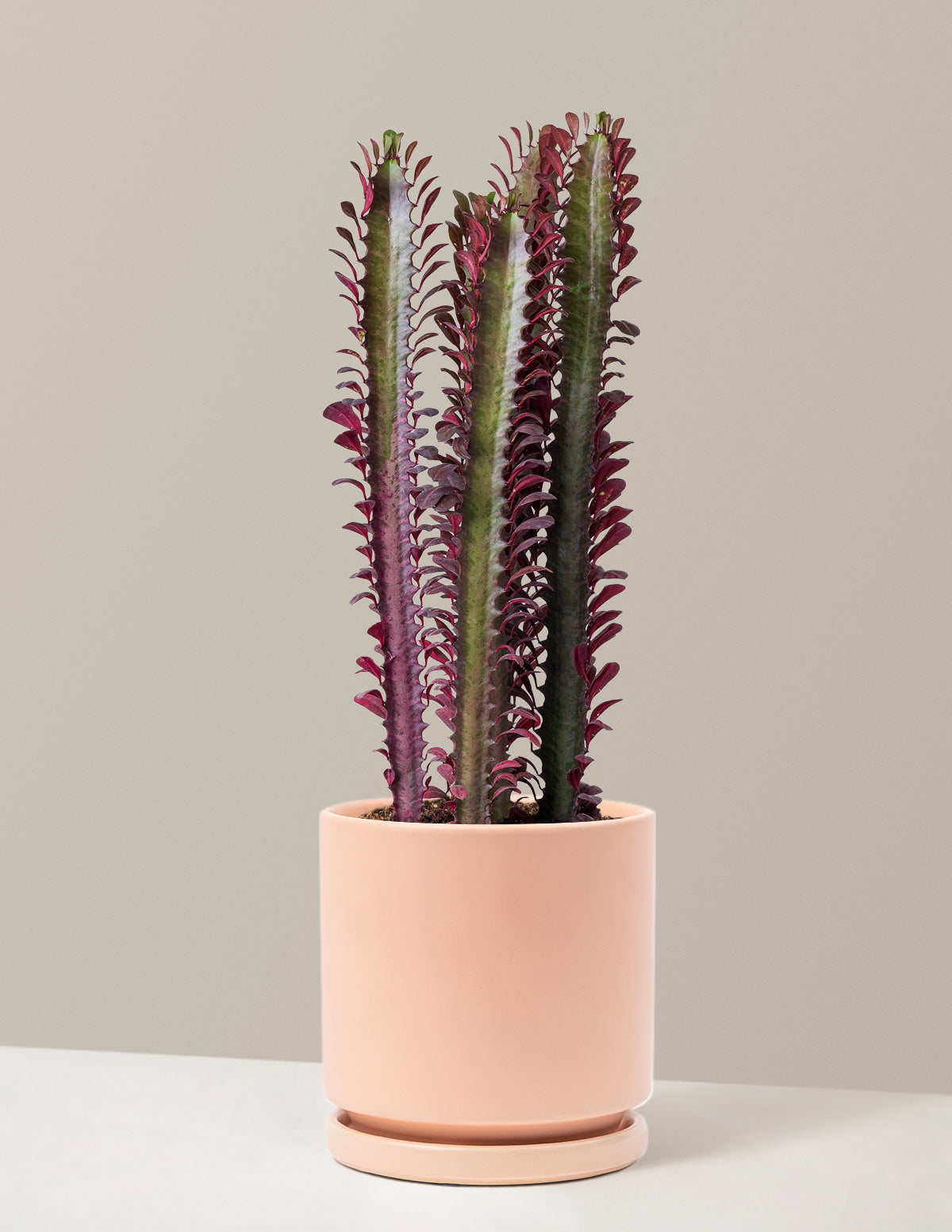
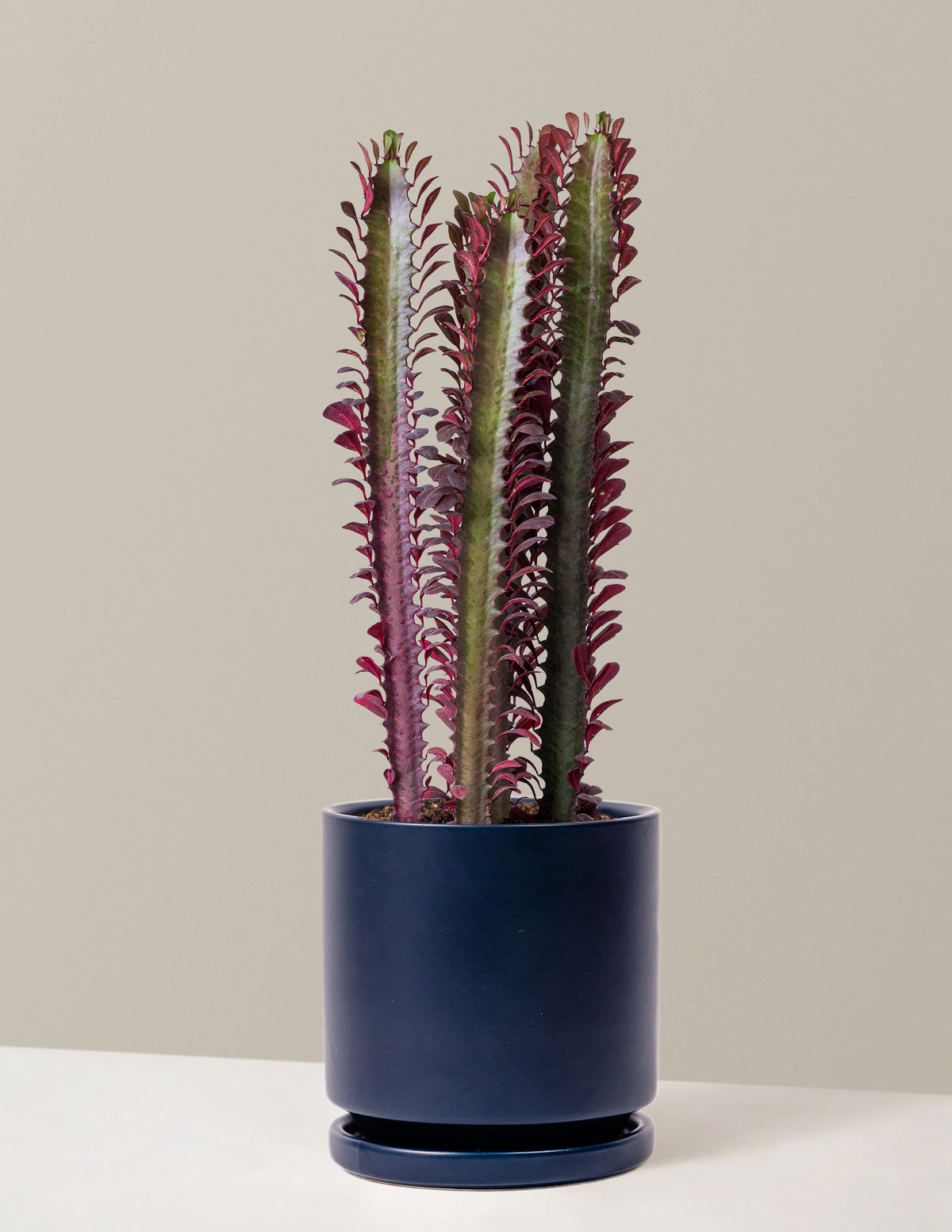
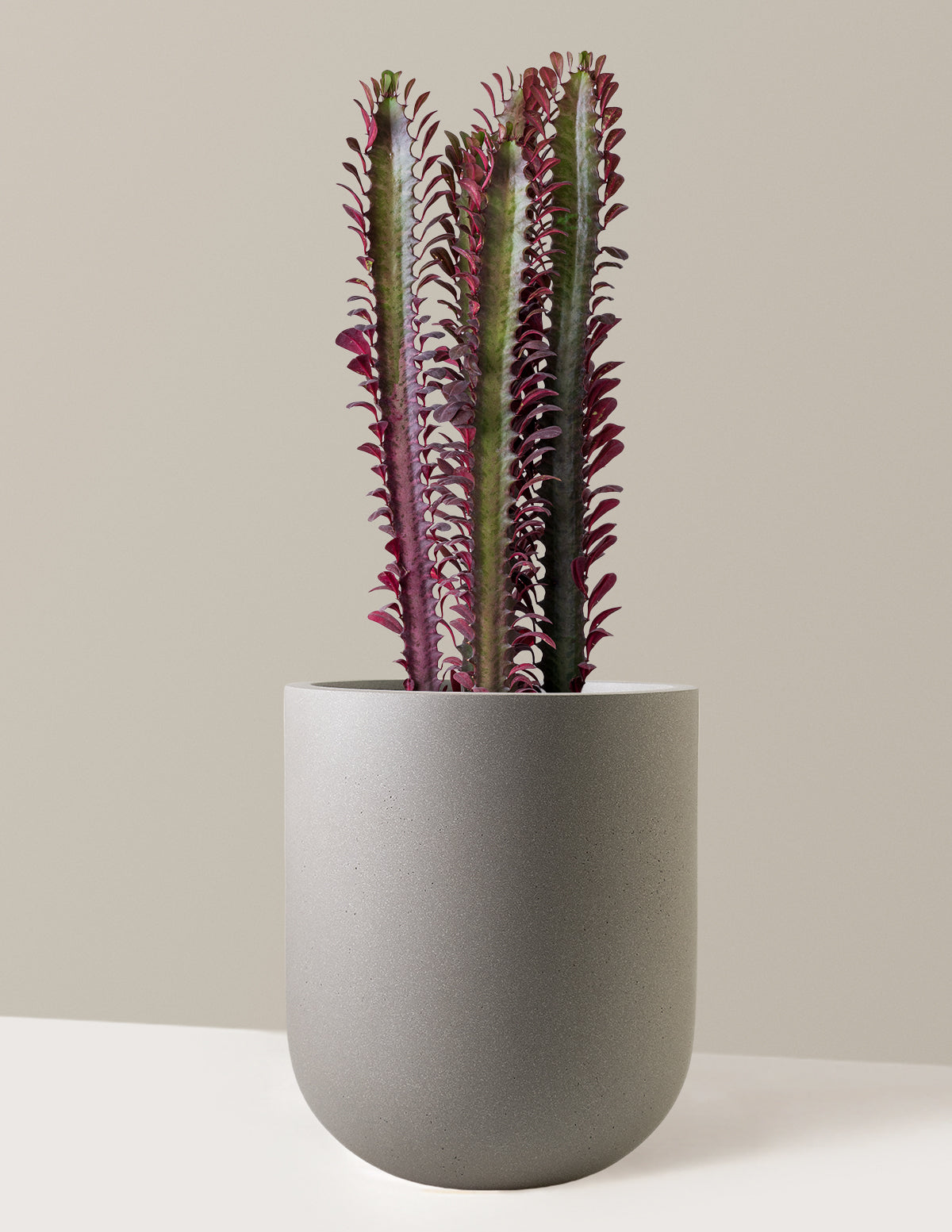
African Milk Tree

African Milk Tree

Bright Direct Light 1-2 ft./yr Growth

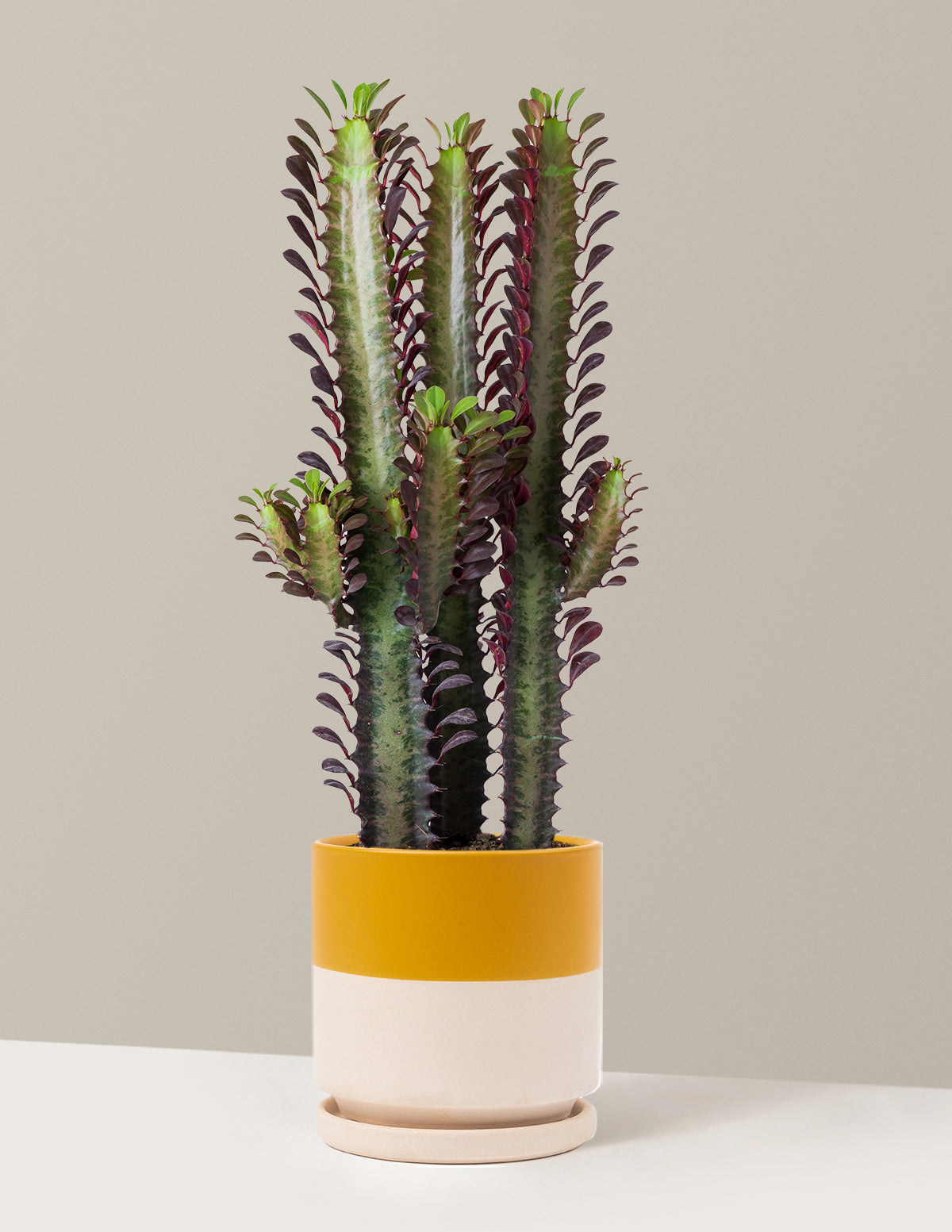
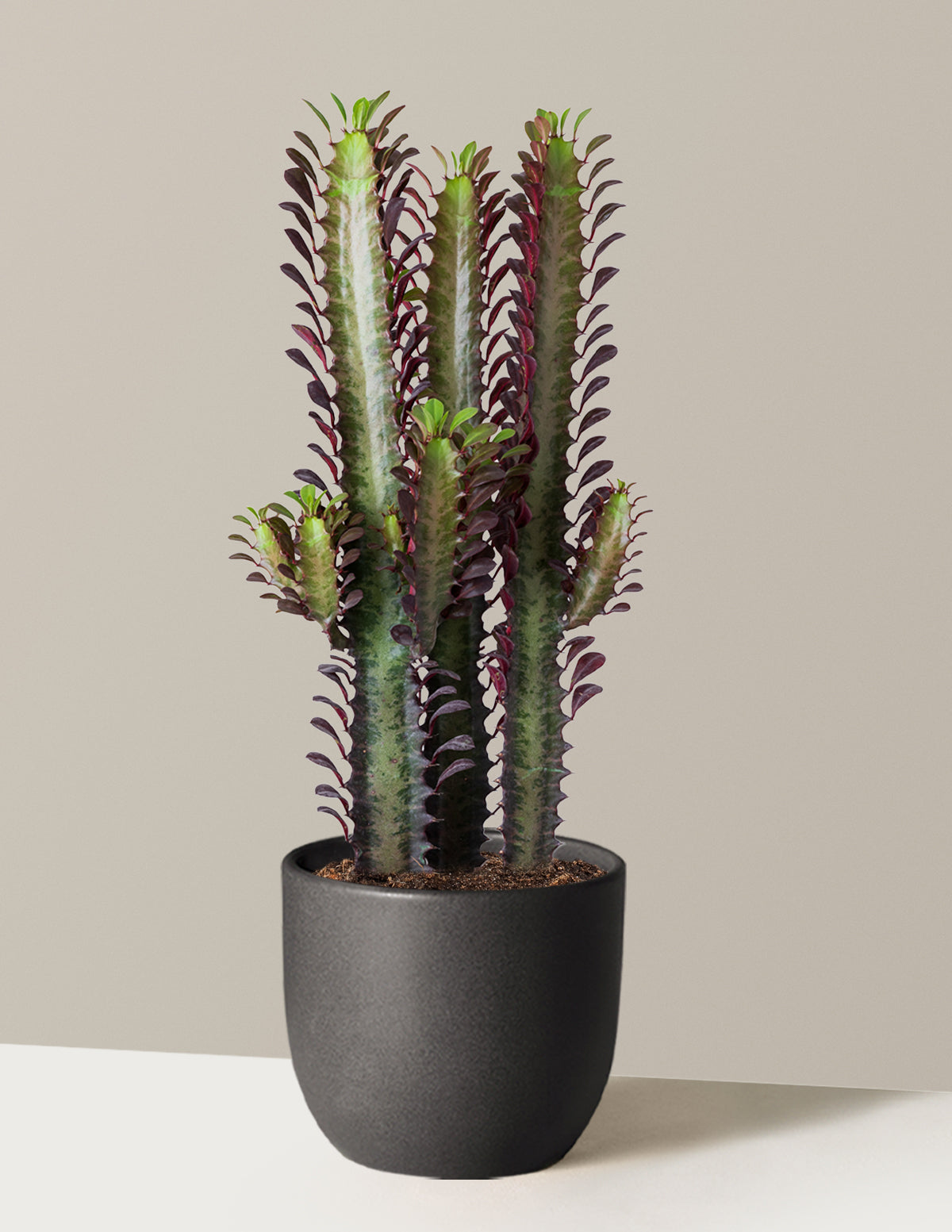
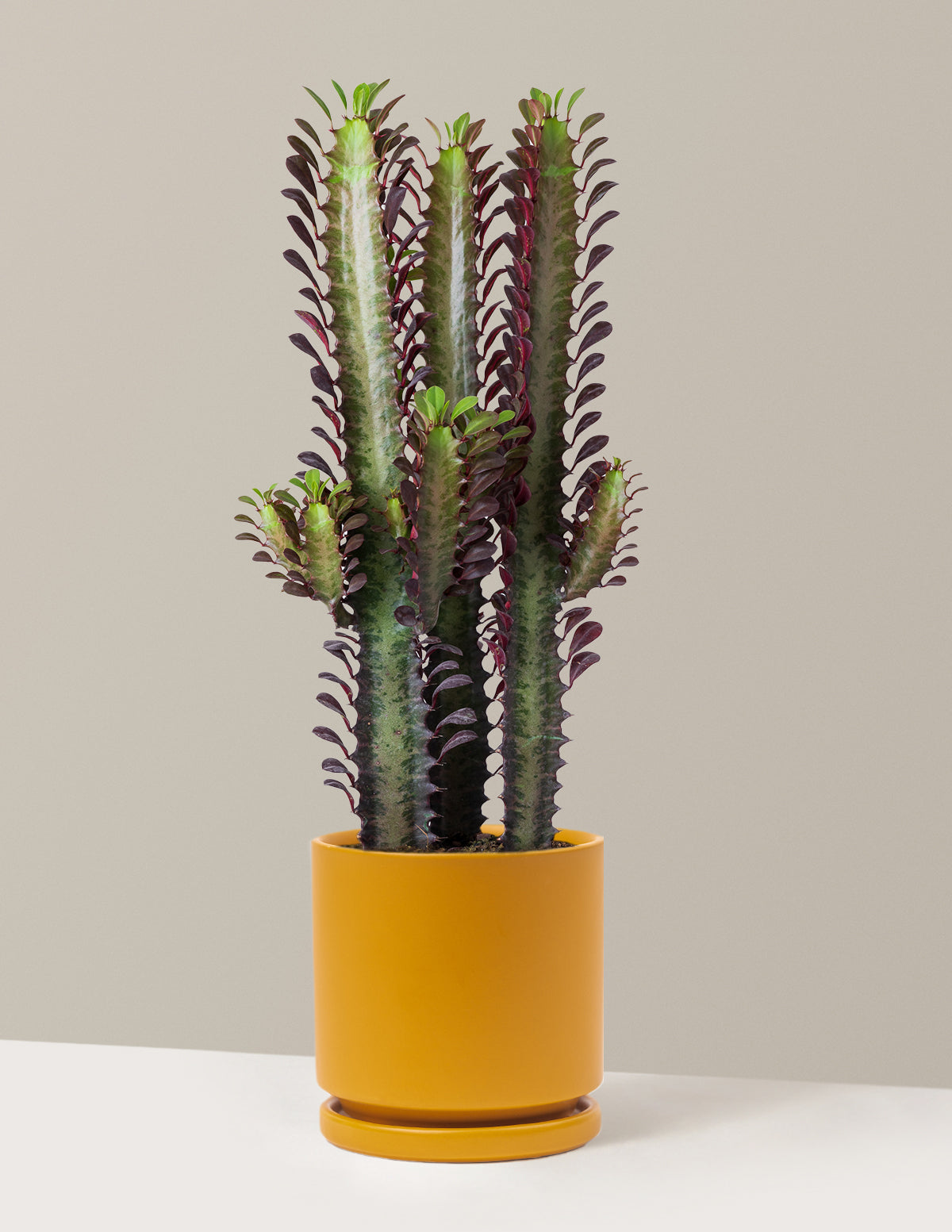
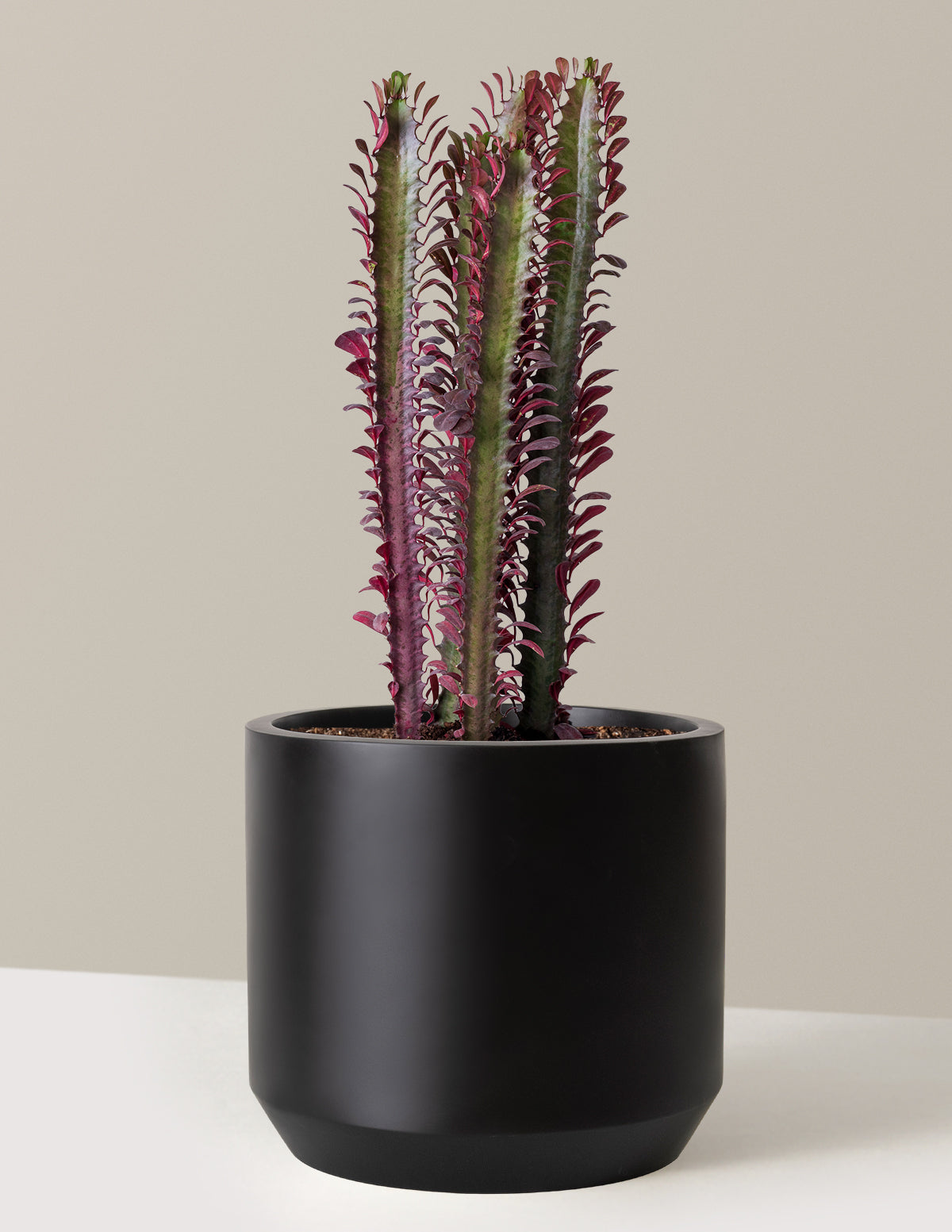
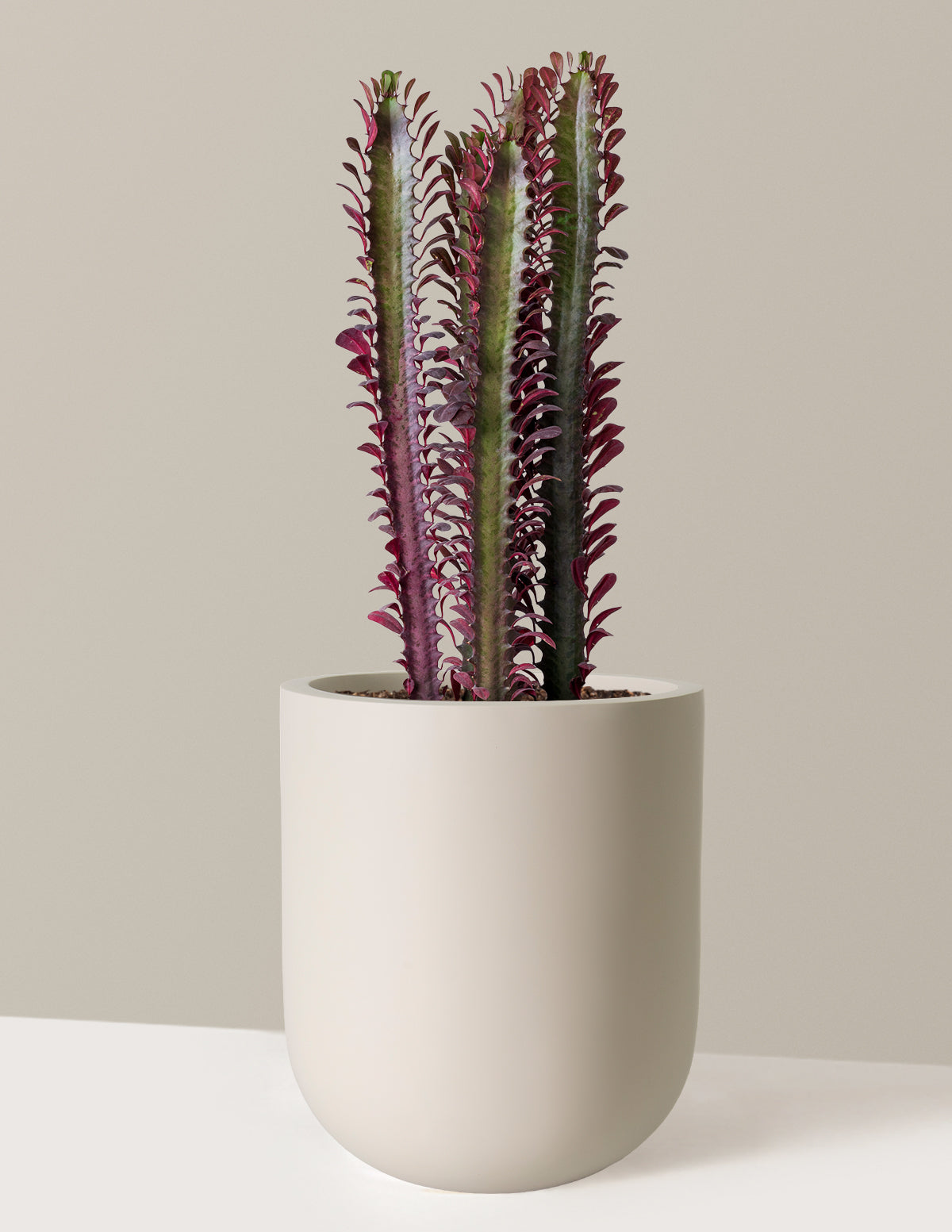
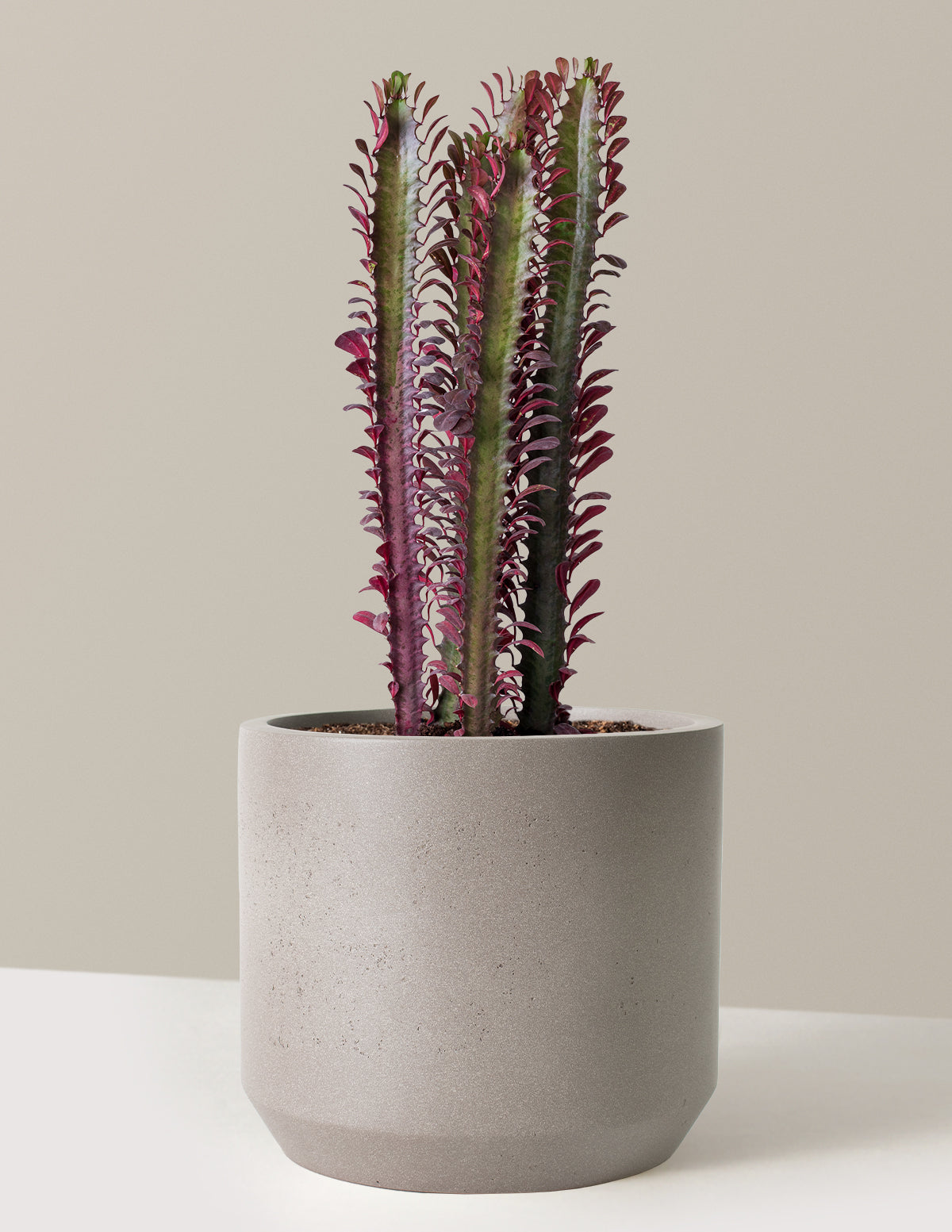
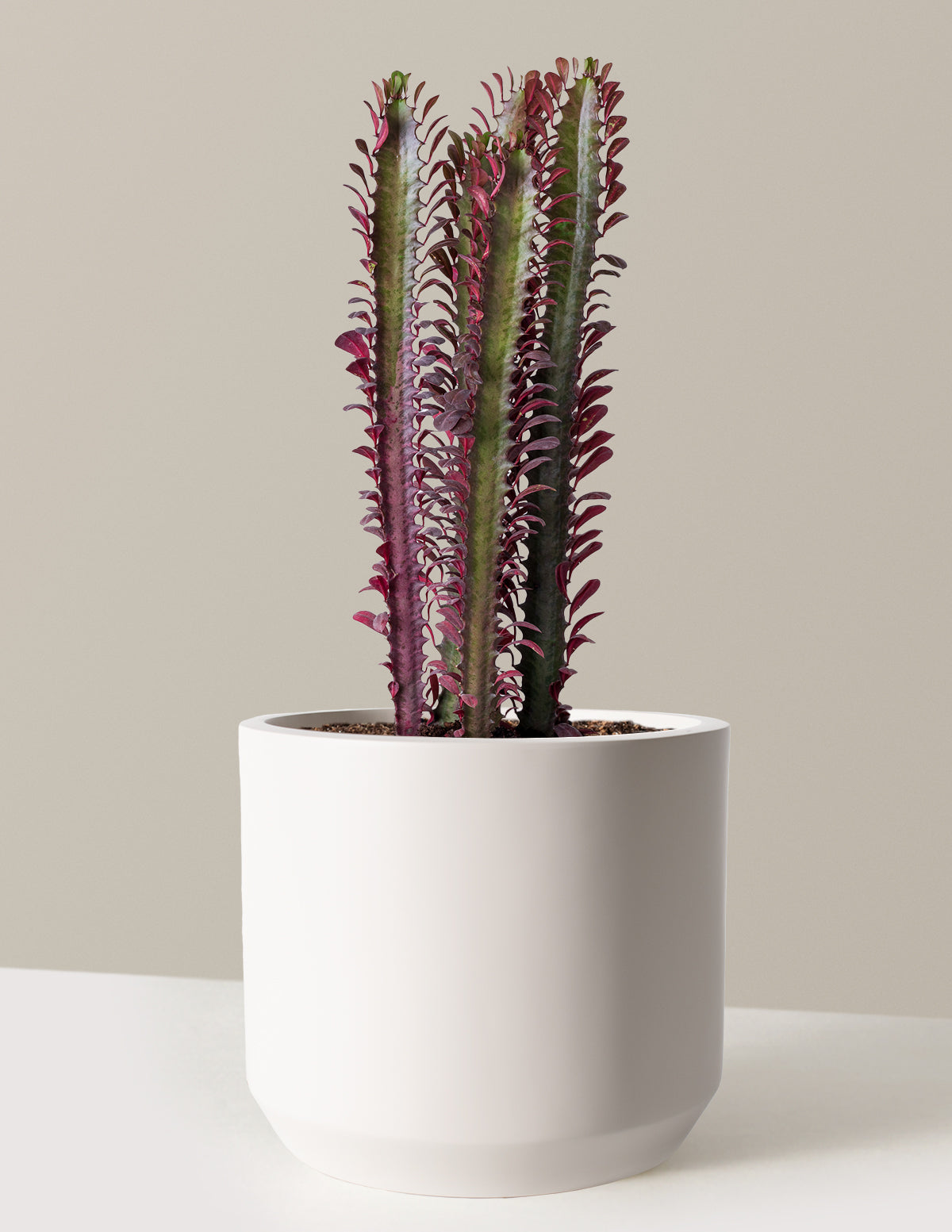
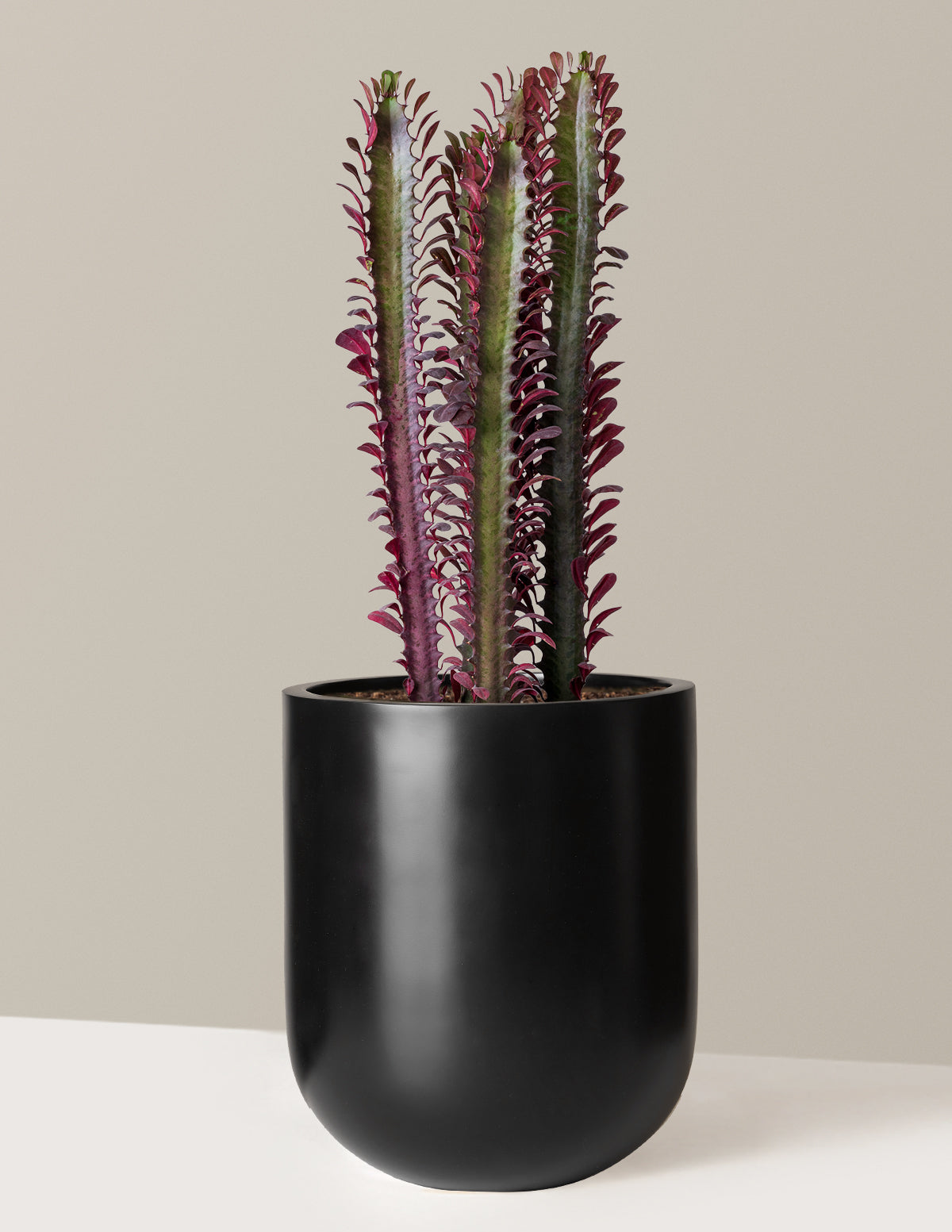
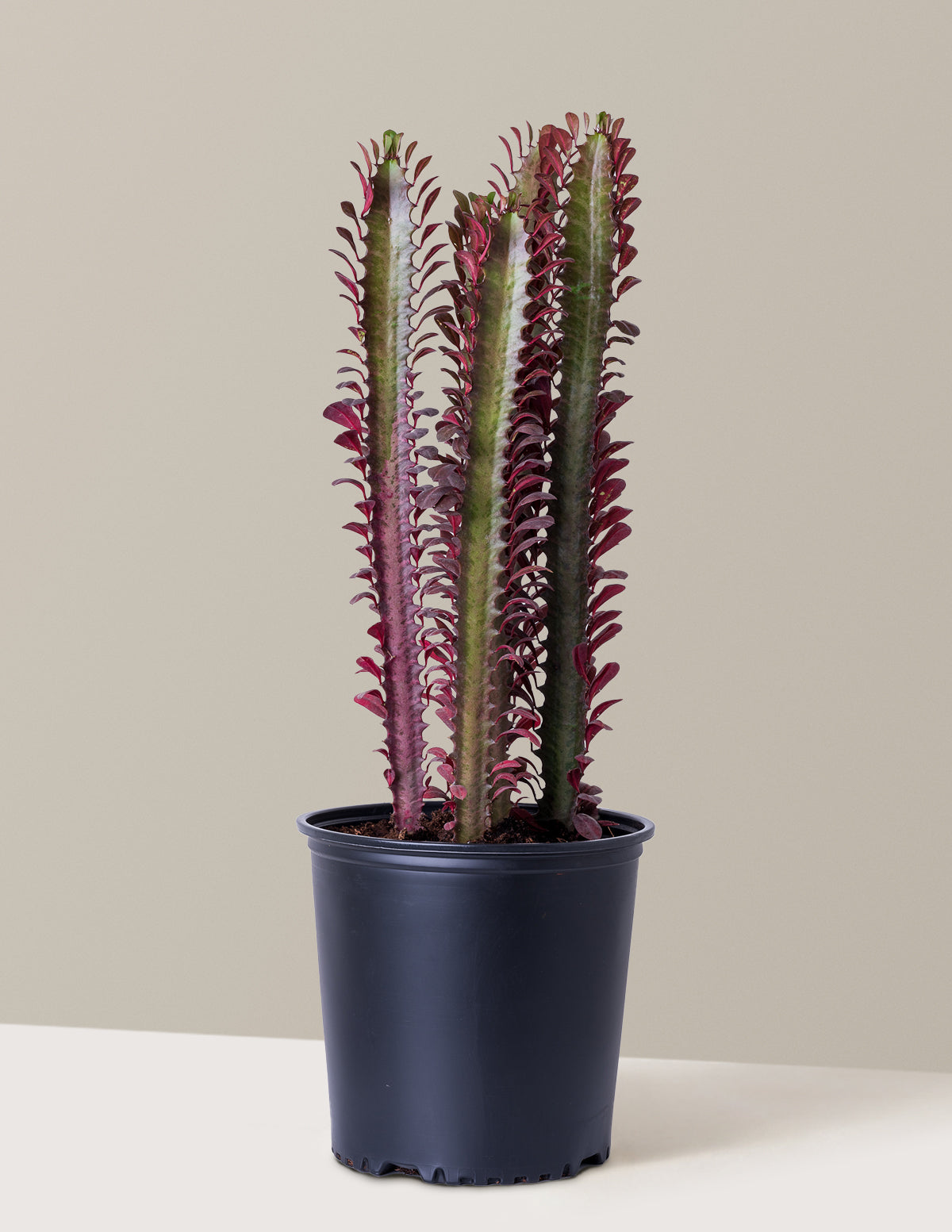
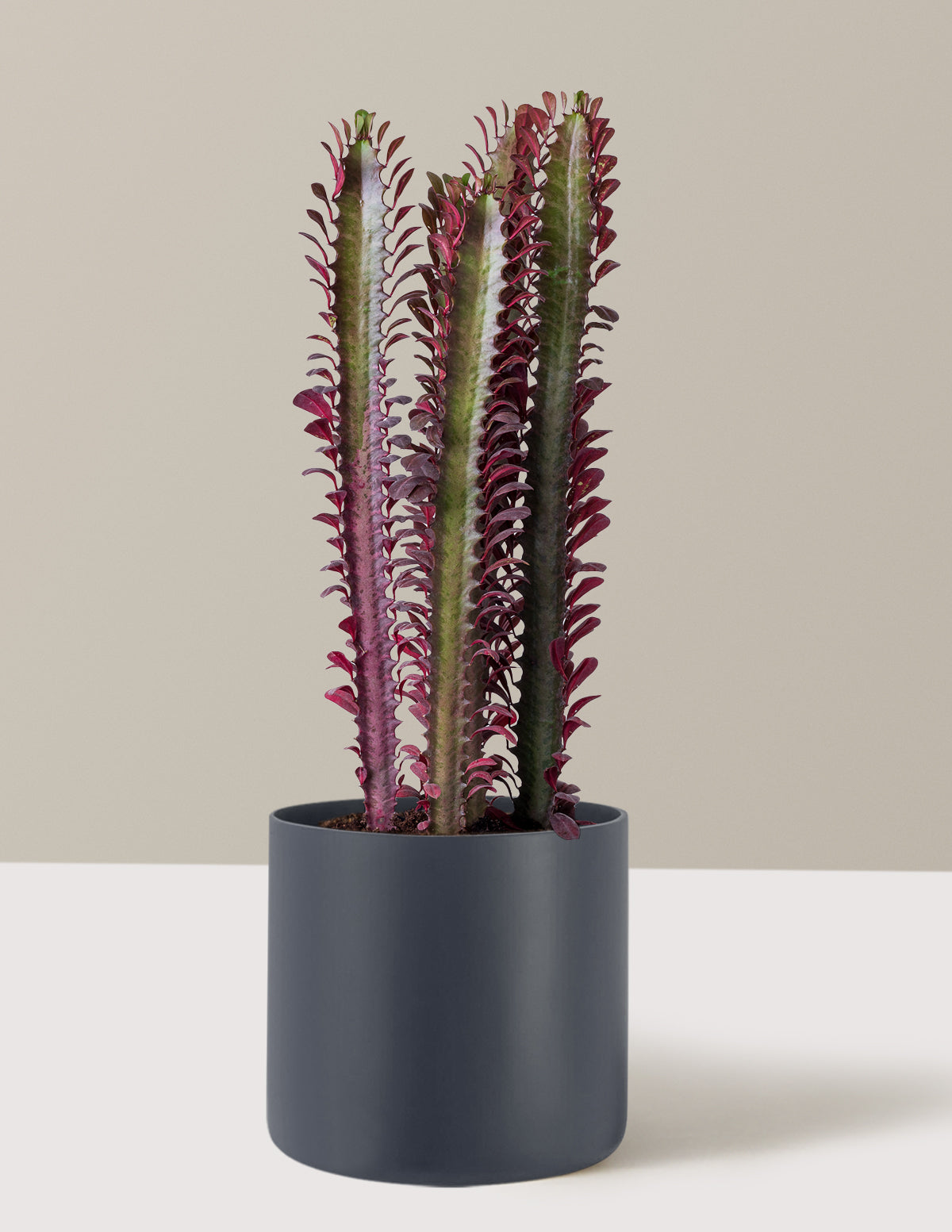
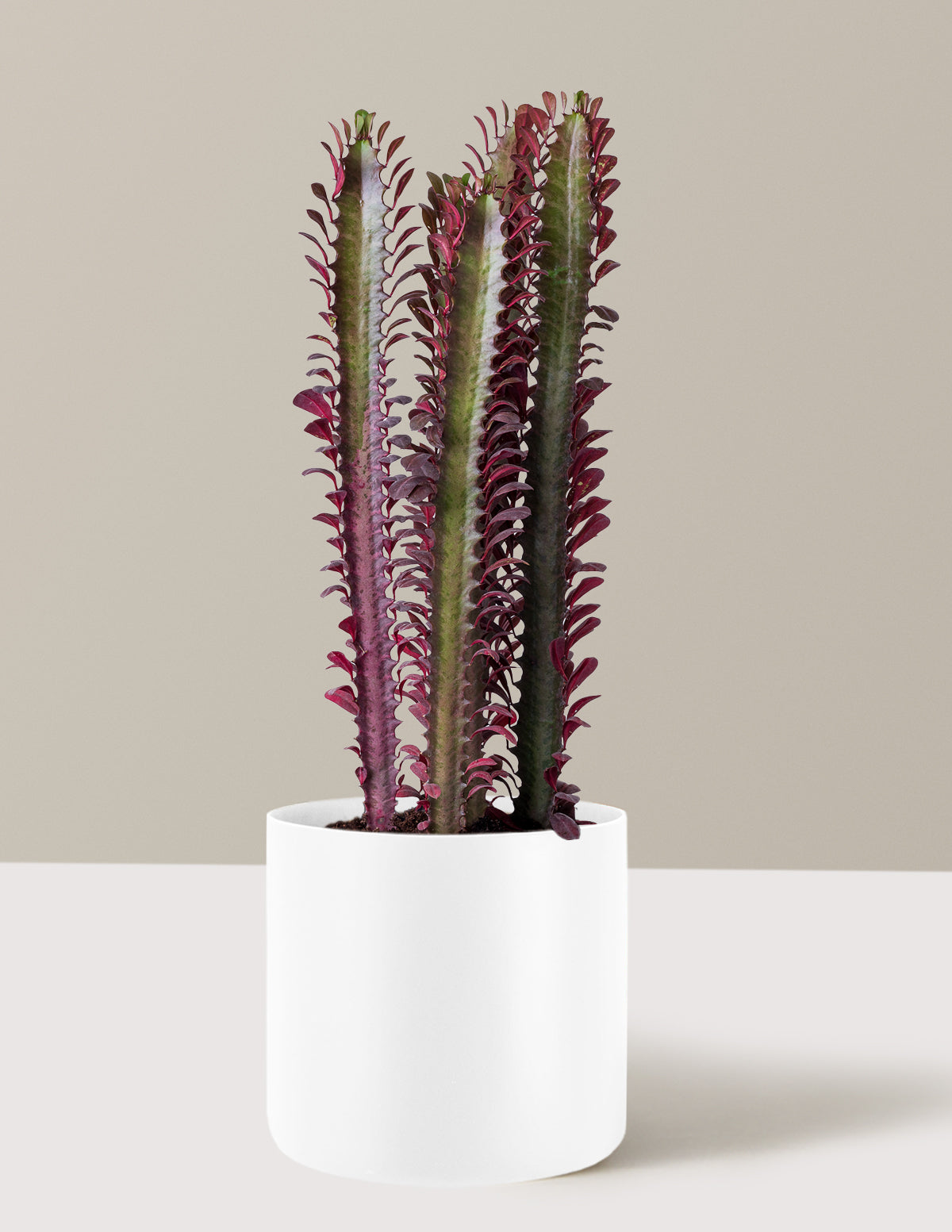
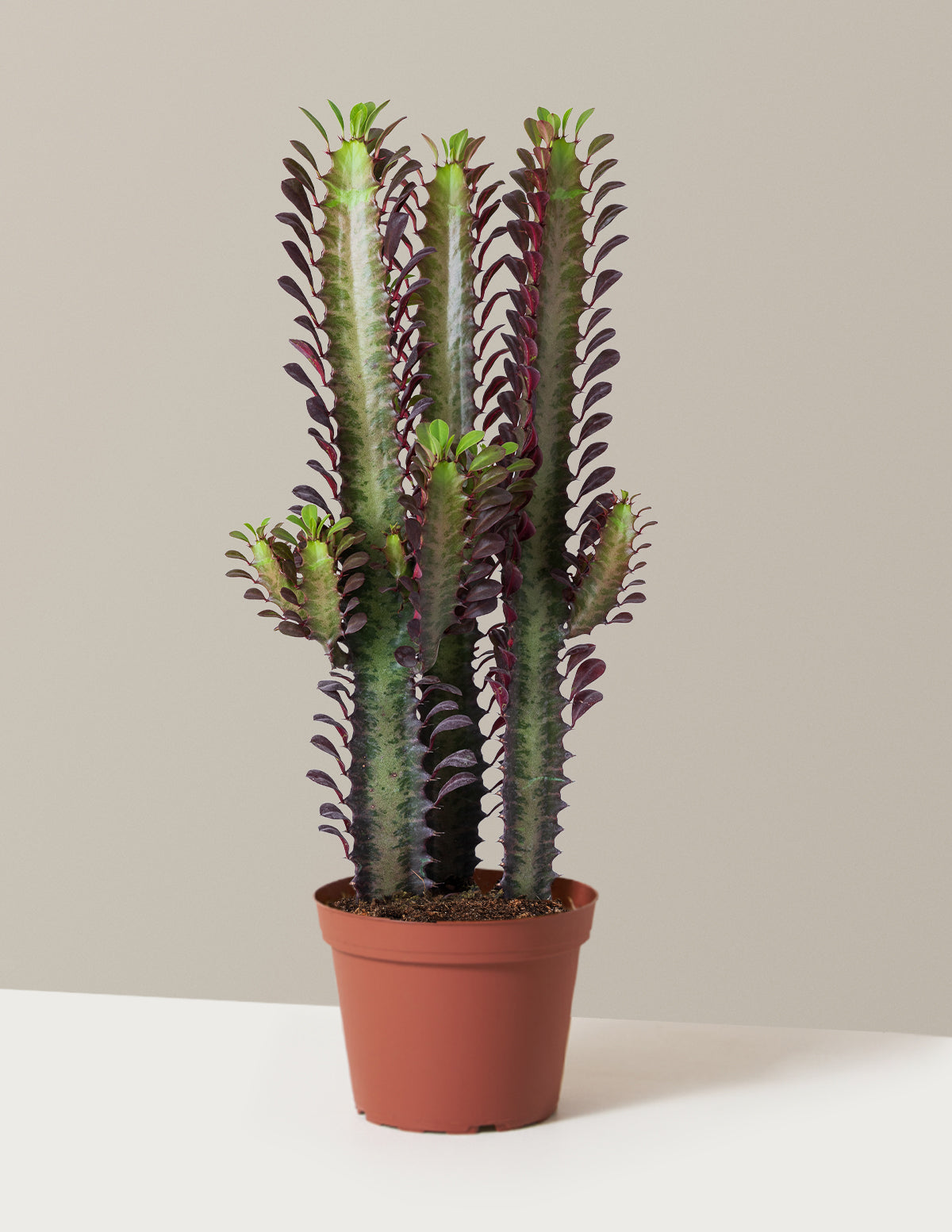
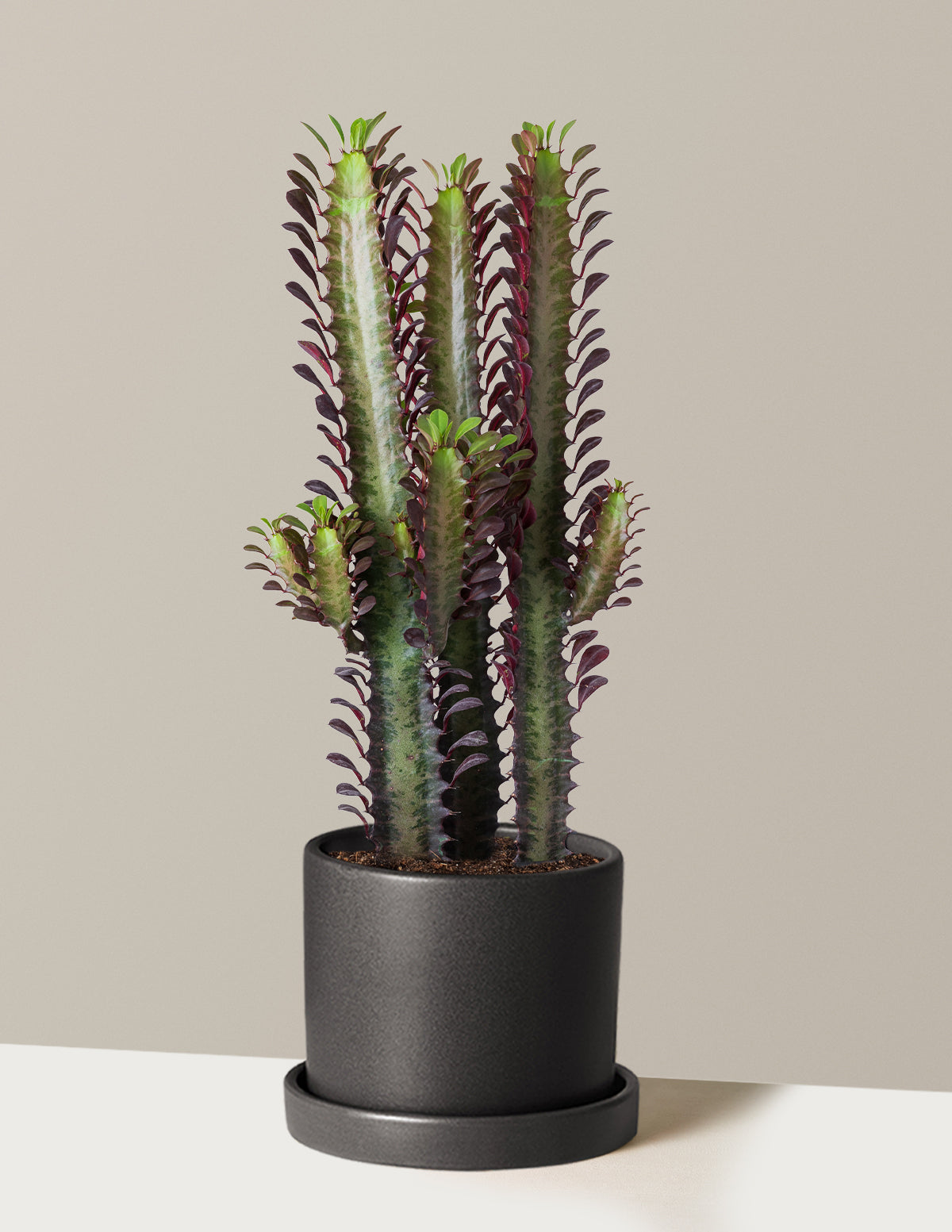
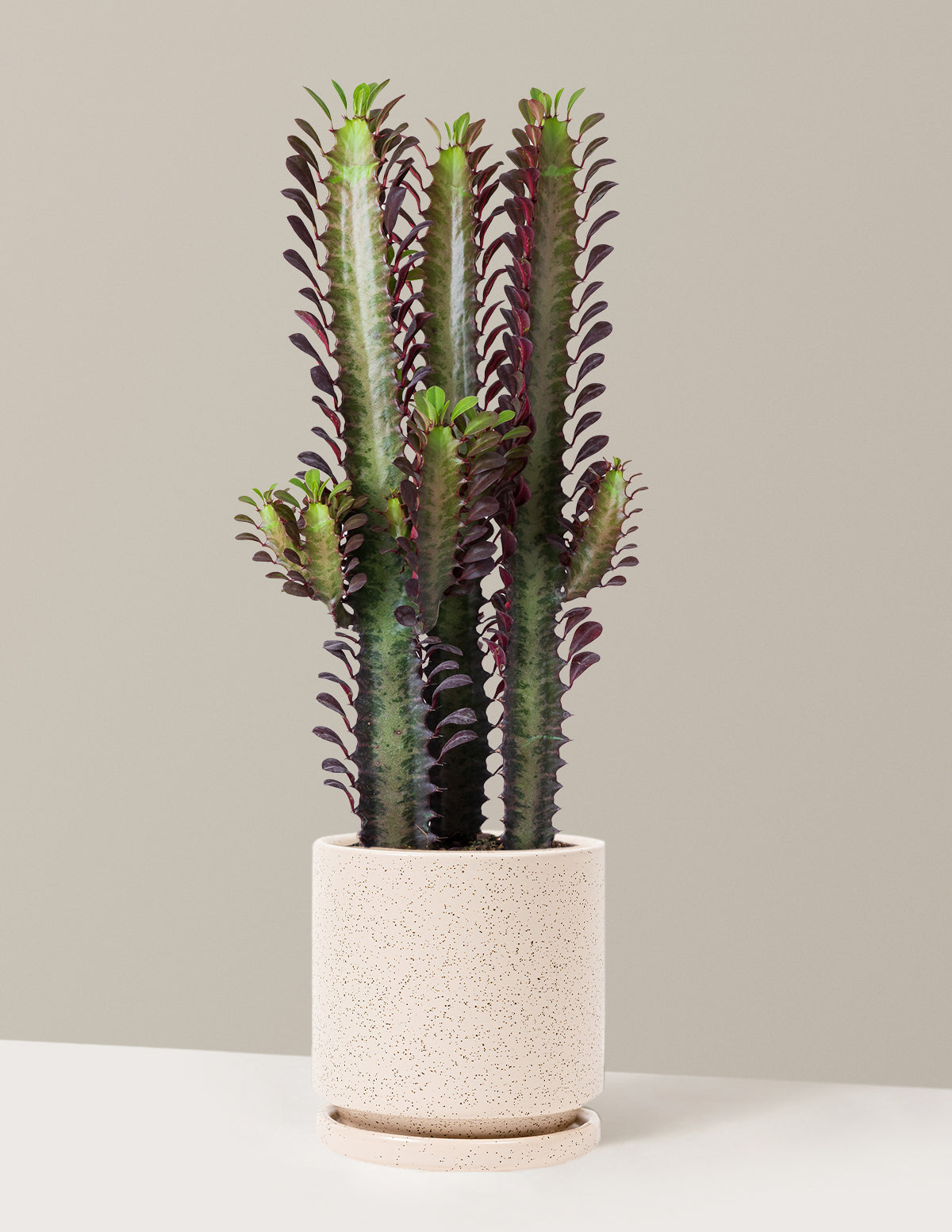
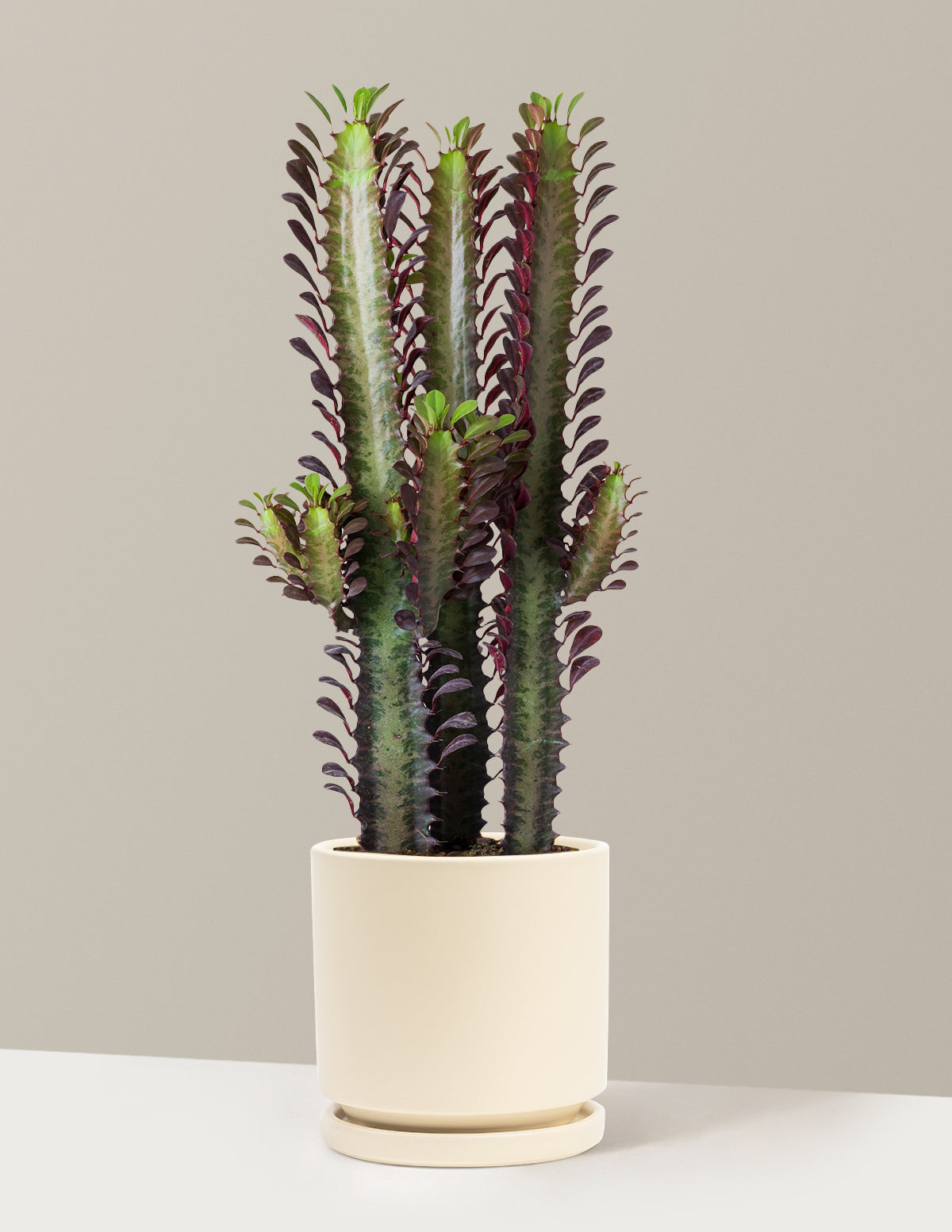
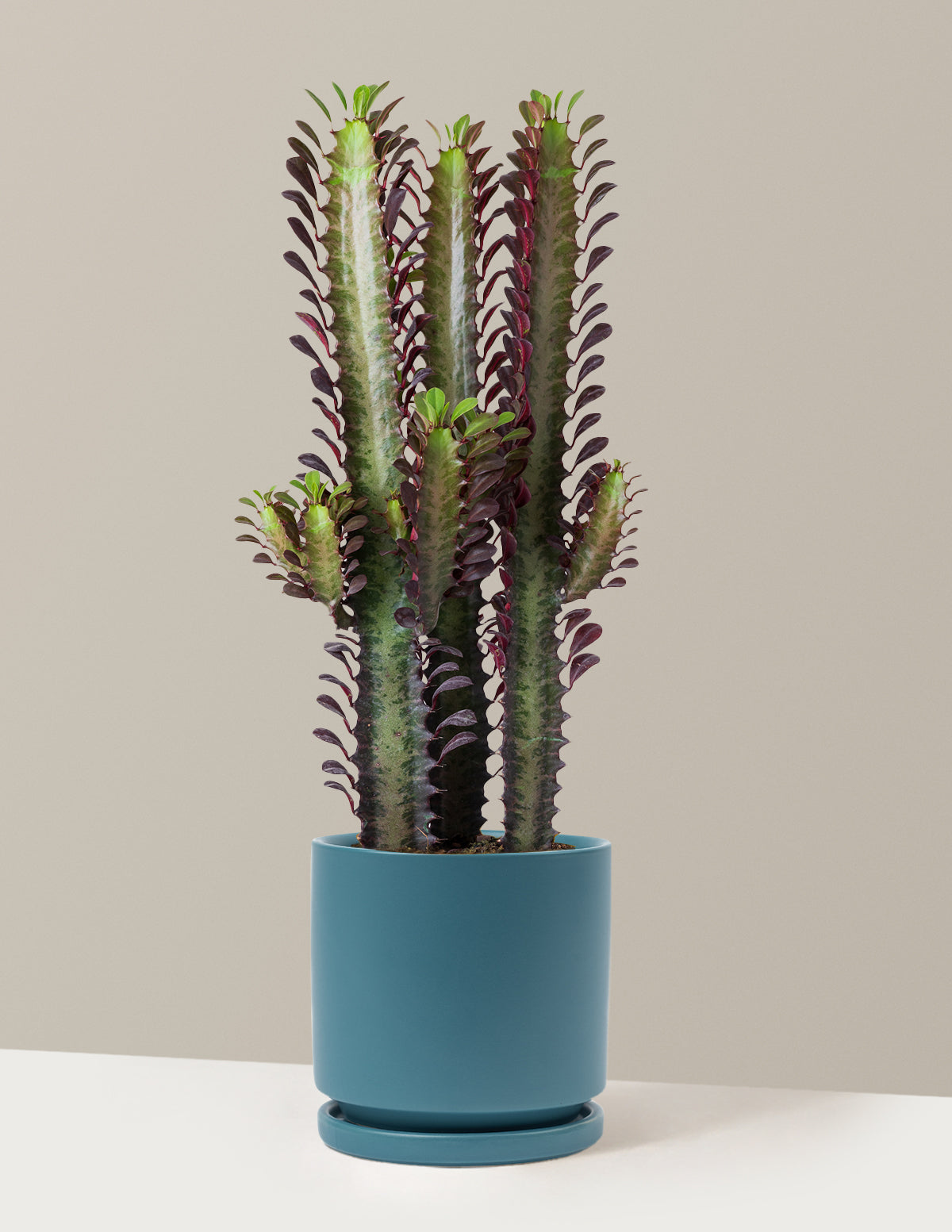
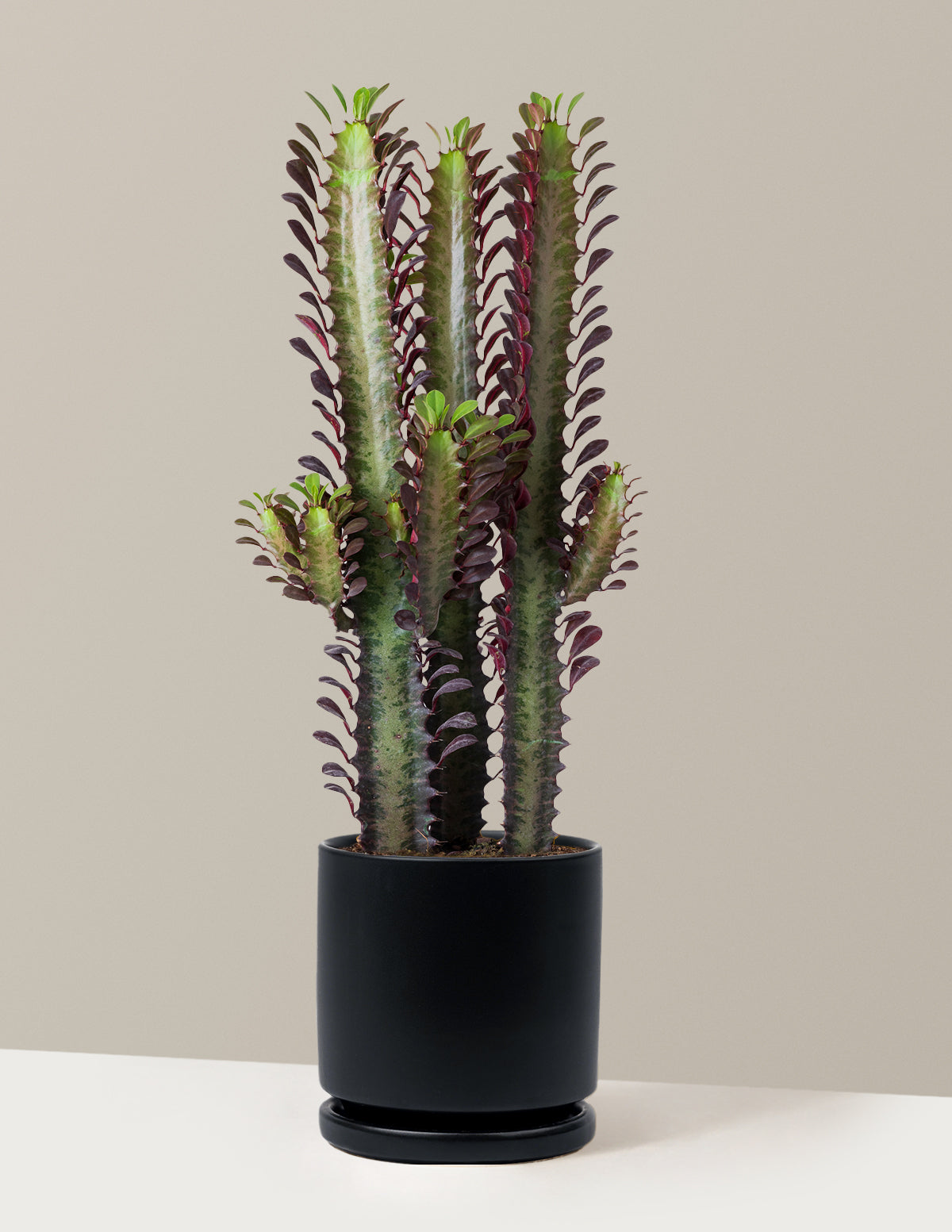
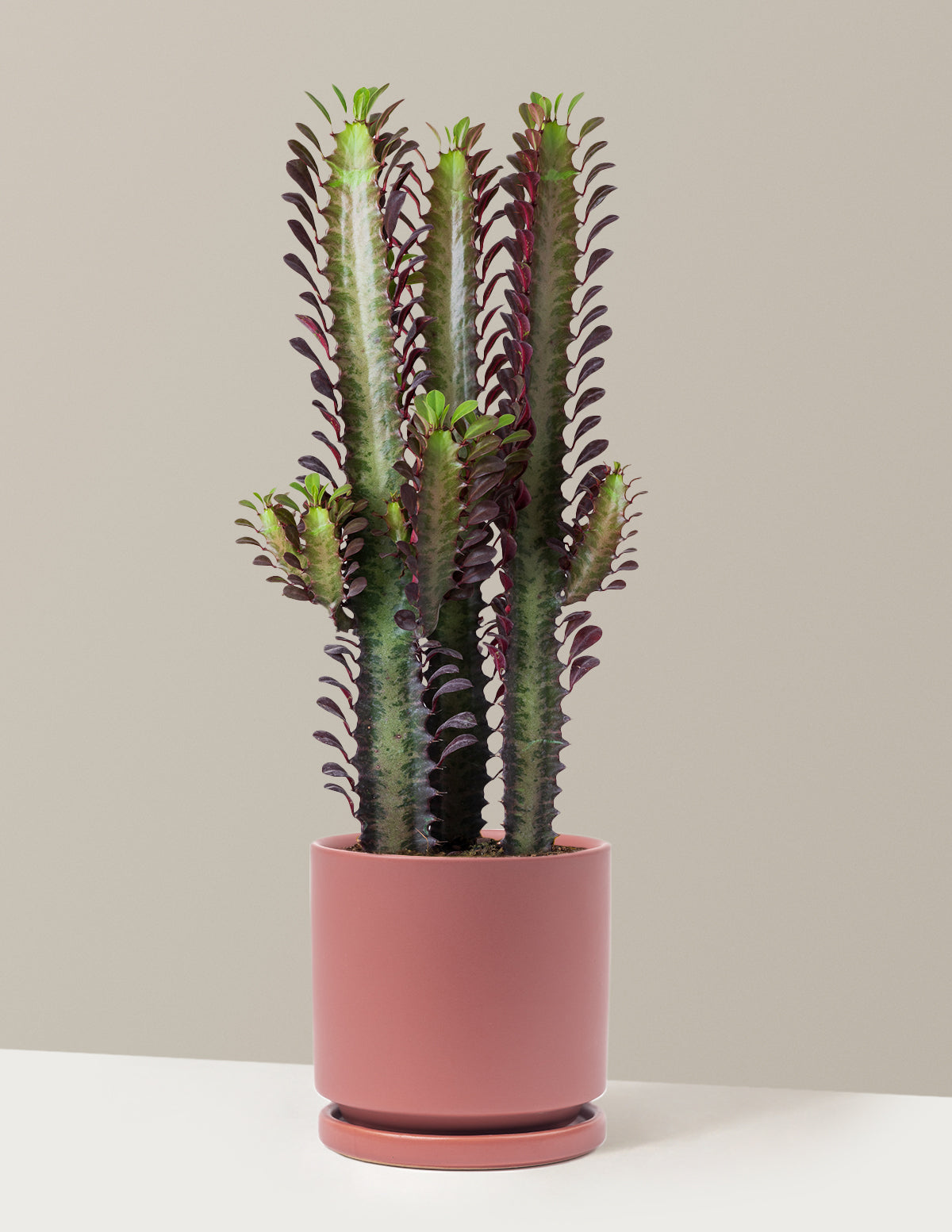
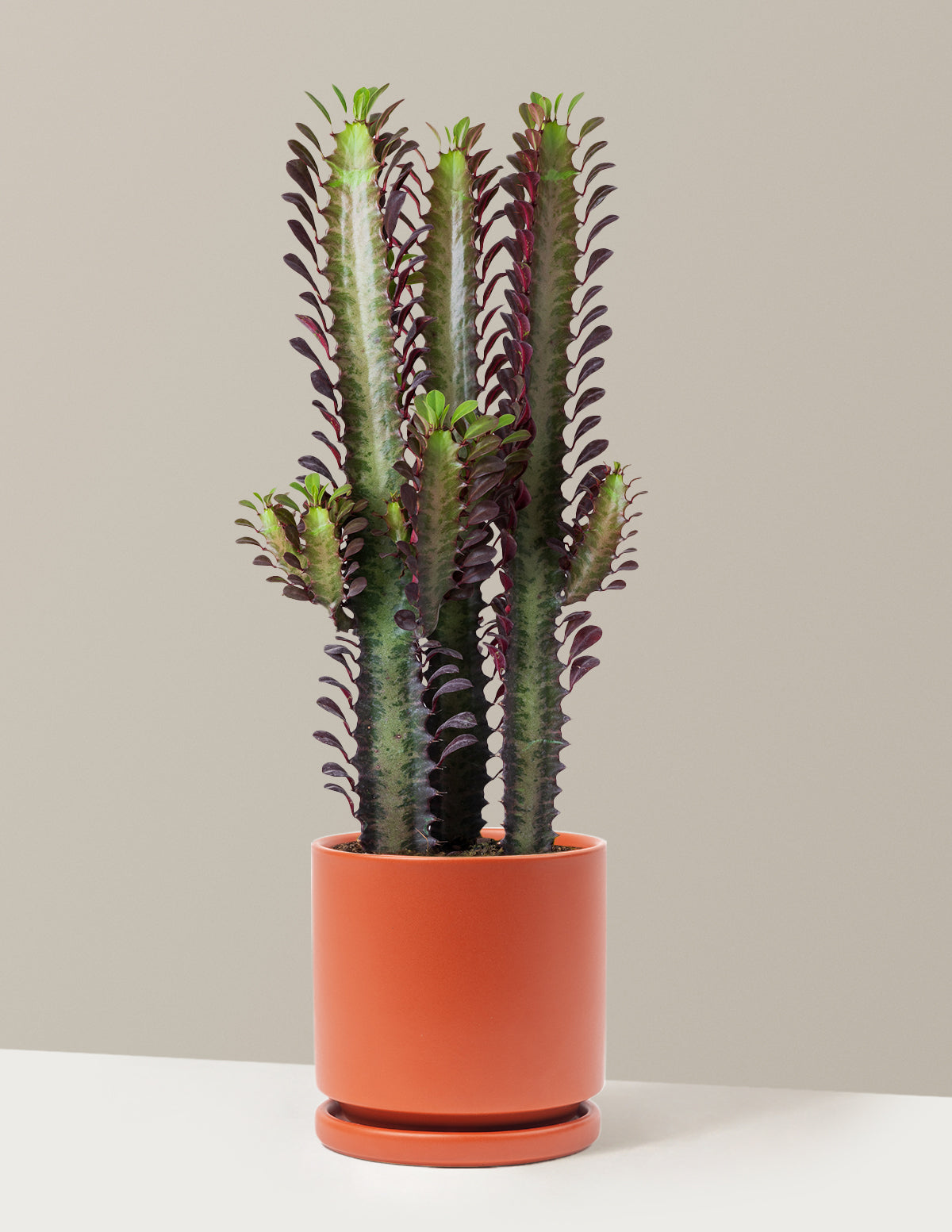
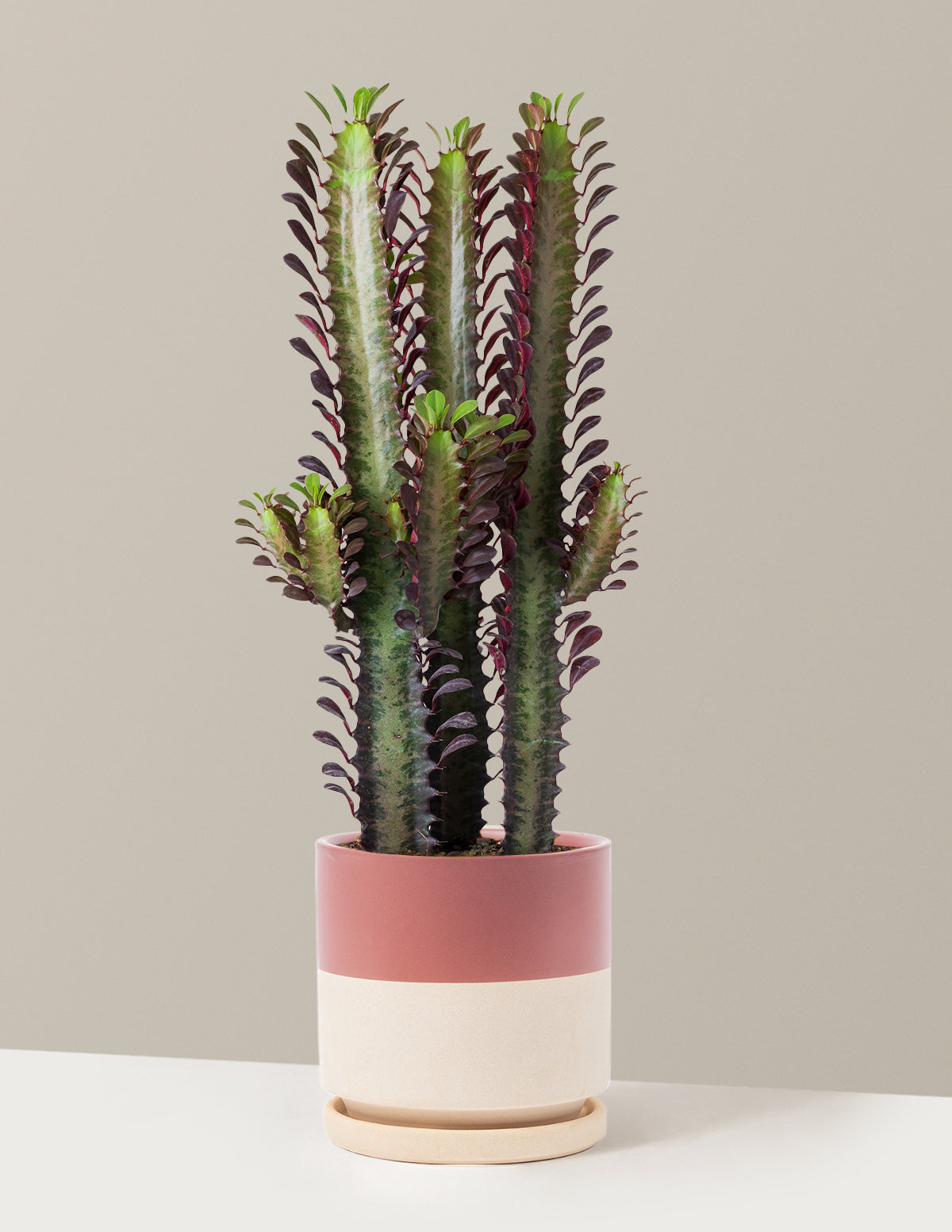
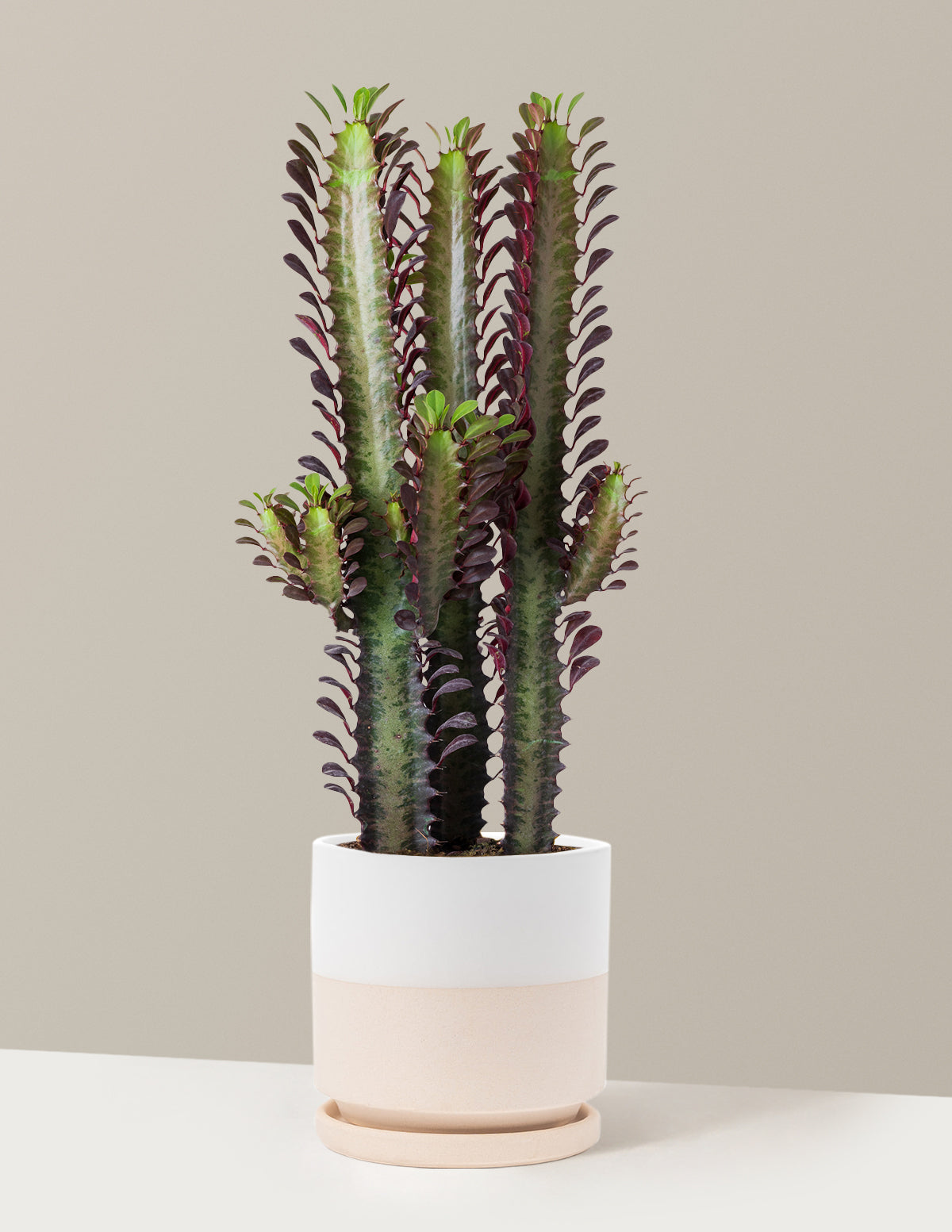
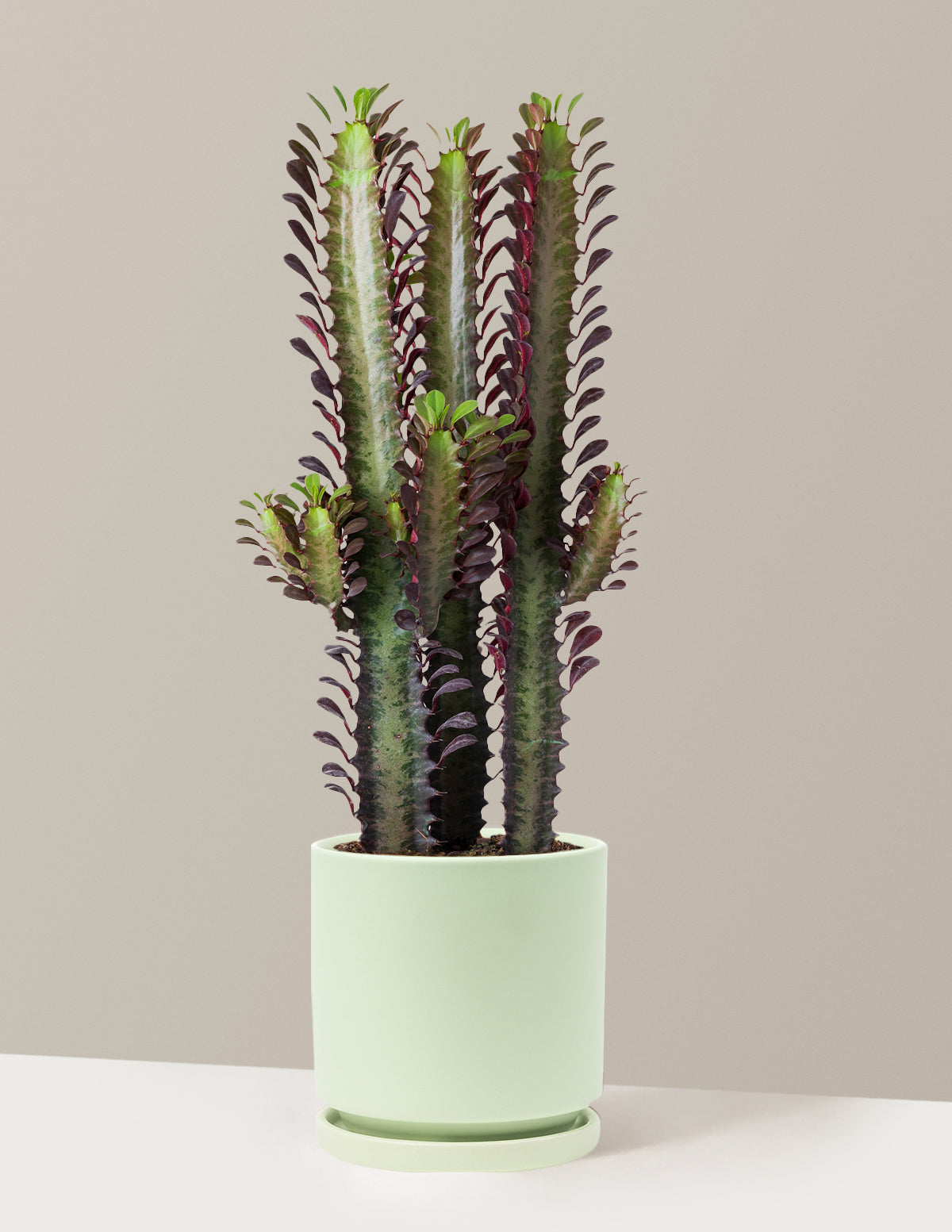
This African Milk Tree grows tall with sculptural, cactus-like stems, making it an easy-care statement plant for sun-filled rooms or bright office corners.

Regular price $99
Regular price Sale price $99
% OFF
Shipping calculated at checkout.
Pick a Size: Medium (10-18" tall)
Pick a Planter: Isabella (6.25" wide)
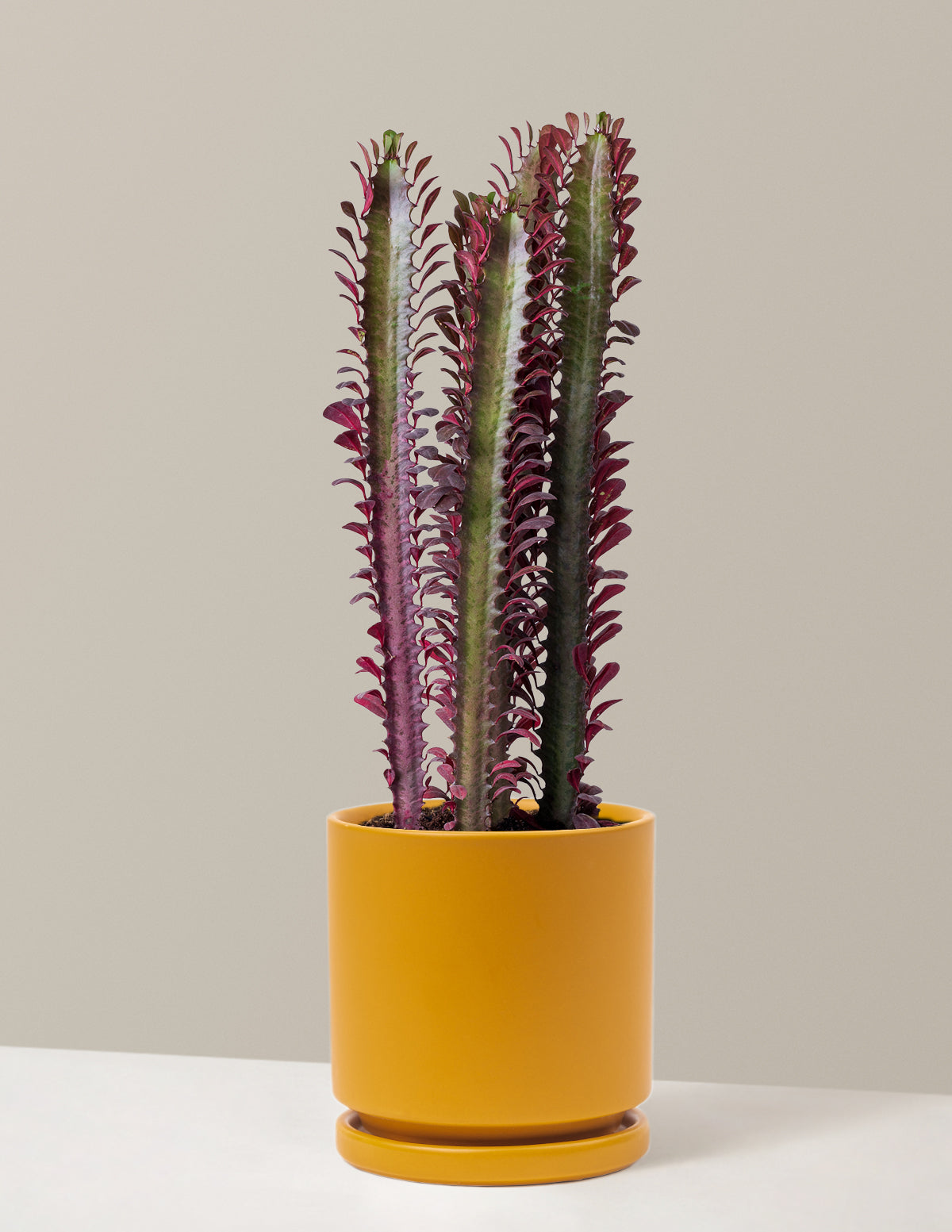
Pick a Color: Top Half Mustard
Our plant experts recommend:
Premium Potting Mix

Premium Potting Mix

Nutrient-rich blend for healthy growth

+ $19

Moisture Meter

Moisture Meter

Measure moisture, pH levels, and light

+ $19

Leaf Care Spray

Leaf Care Spray

Keep plants looking their best
+ $19

View full details

African Milk Tree Information

bundle | Medium | Grant | Black
About The African Milk Tree

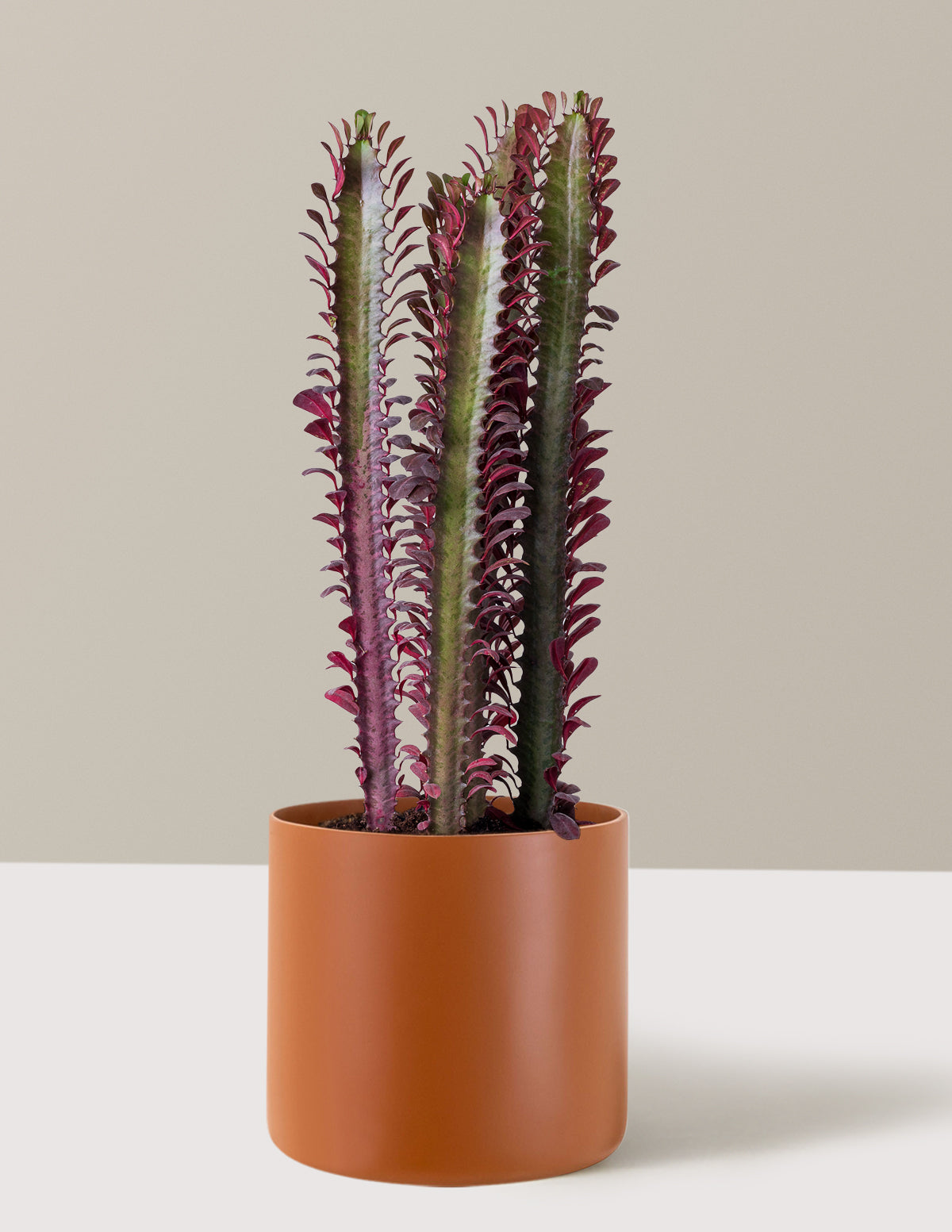
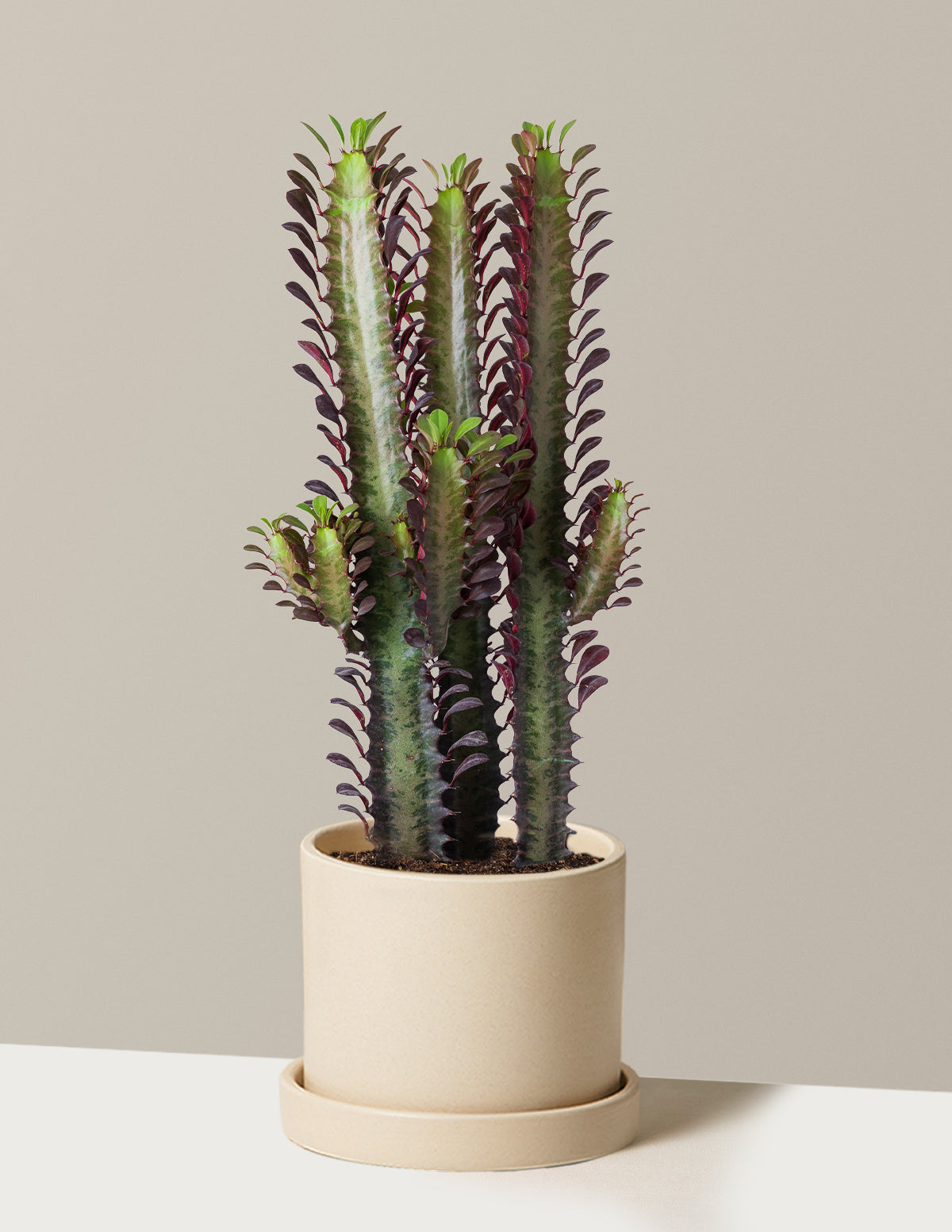
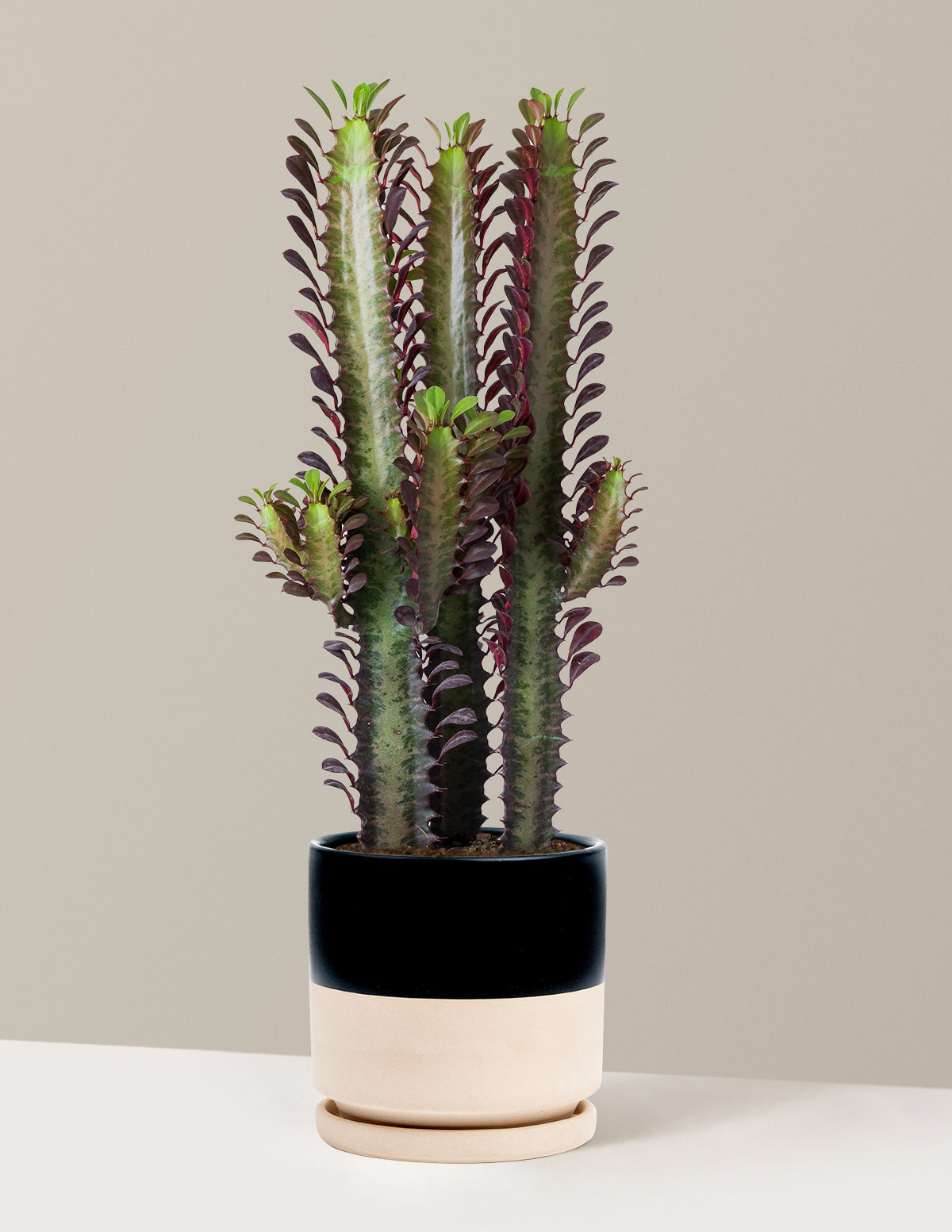
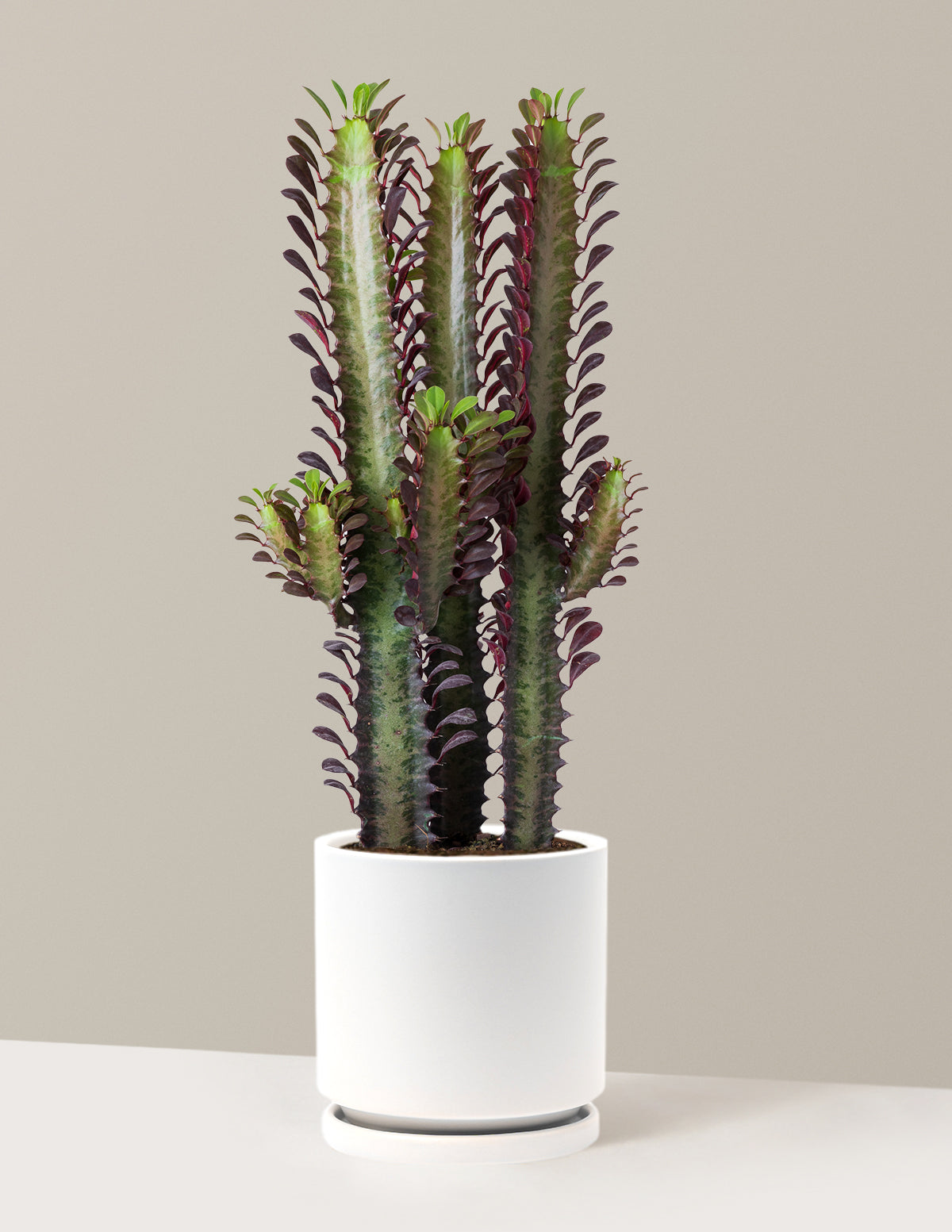
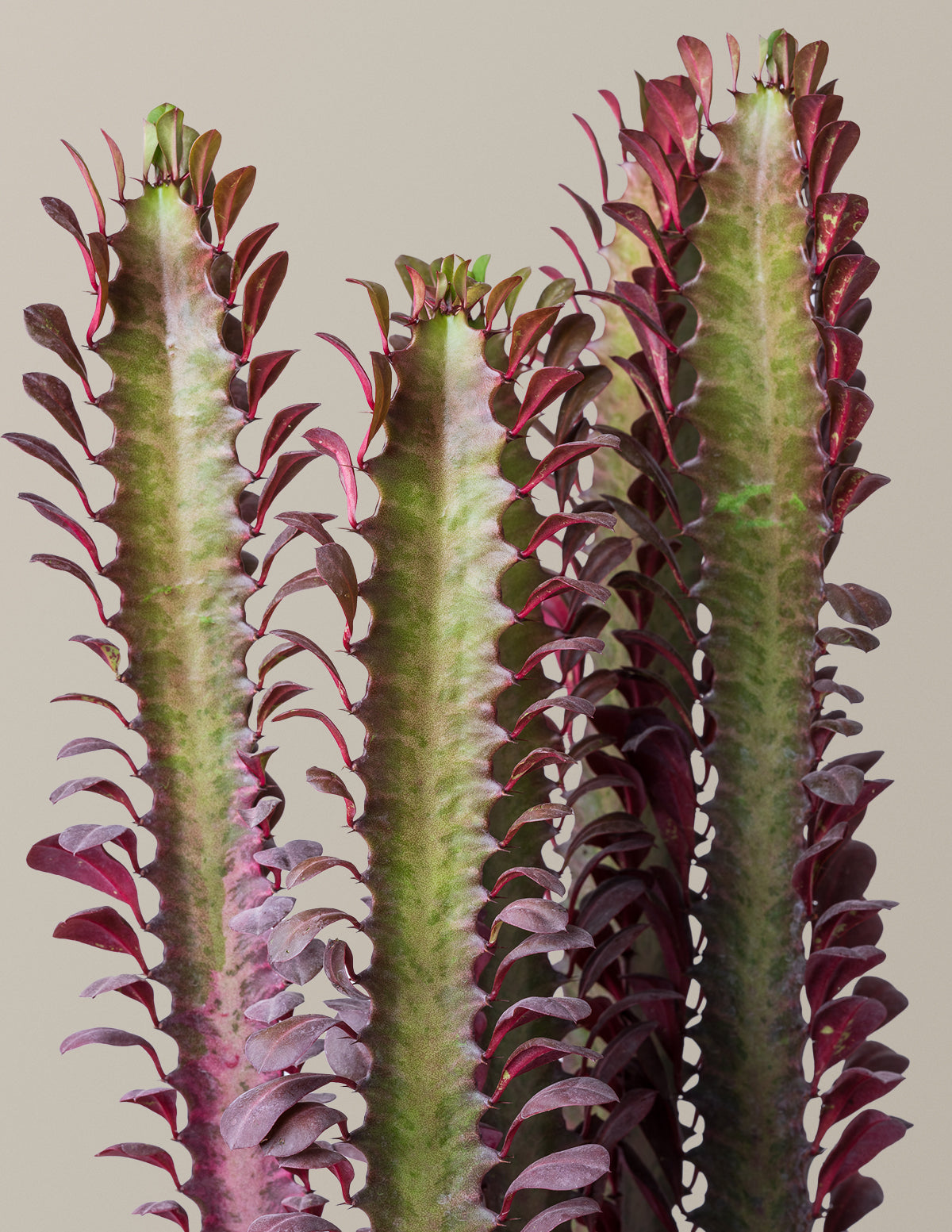
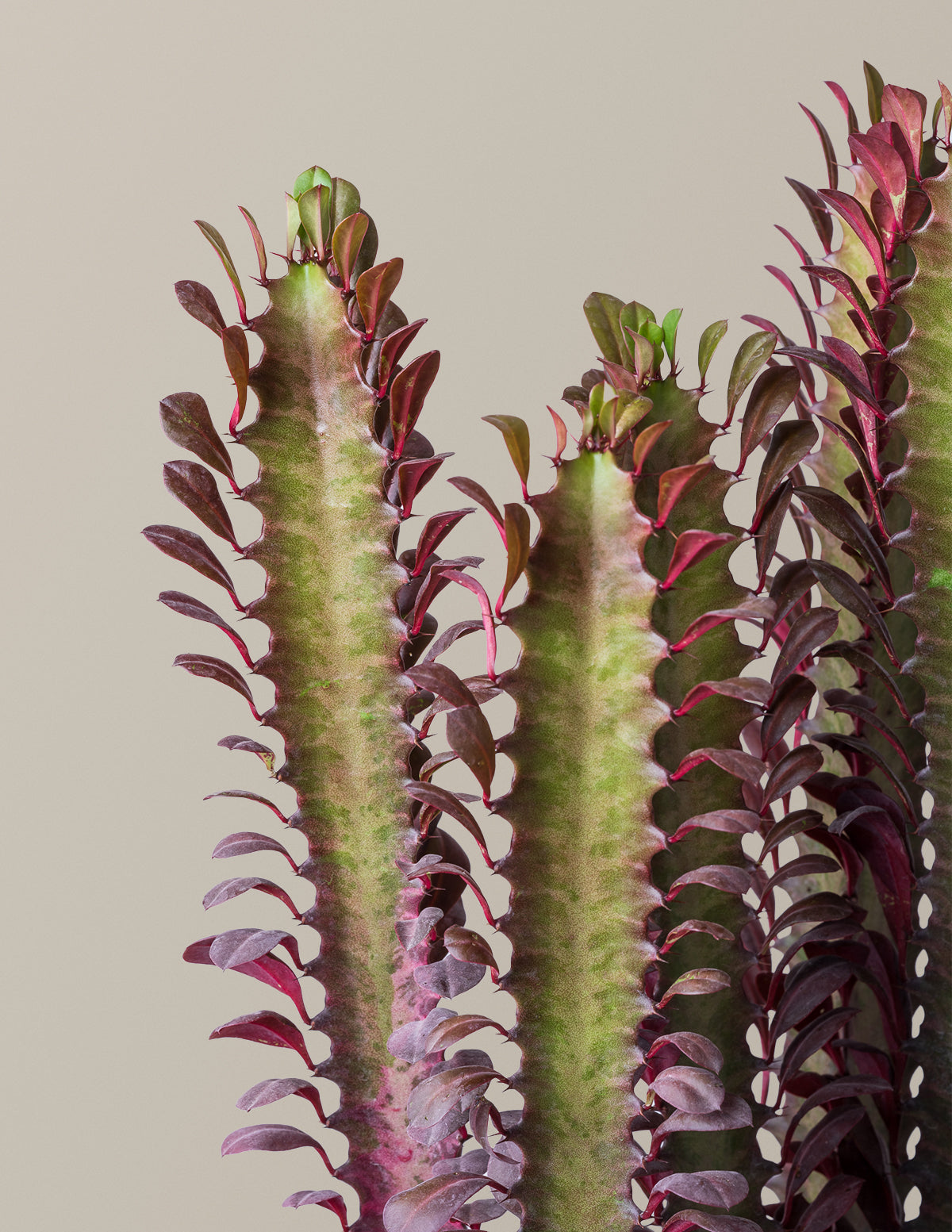
Meet the African Milk Tree (Euphorbia trigona 'Rubra')! This dramatic, low-maintenance succulent has vibrant reddish-purple stems and leaves that are impossible to ignore. Known for its upright, candelabra-like growth that can reach up to 6 feet indoors, this plant is perfect for those who want a splash of color or architectural interest in their collection. 

The African Milk Tree’s leaves can be deciduous, meaning it’s normal to see some leaf drop upon arrival due to transit conditions and even at different times throughout the year. Rest assured, new leaves will grow back as the plant adapts to its environment!

Note: Our cacti aren’t cuttings—they’re fully rooted plants! This means they’re already established and ready to thrive in their new home. Succulents naturally have shallow roots, so don’t be surprised if that’s what you see, it’s a completely natural trait!

  • Each plant is unique; size and shape fluctuate by season so all measurements are shown as a range
  • Medium plant measures 10-18 inches tall from bottom of the grow pot to the top of the foliage
  • Large plant measures 2-3 feet tall from bottom of the grow pot to the top of the foliage
  • Arrives in a nursery grow pot nestled in your planter choice
  • If you purchase a large plant with a planter, the planter will ship separately
  • Large plants require less frequent waterings due to their higher volume of soil
  • Agnes planter does not contain a drainage hole
Sizing Guide
Small
Approximately 5" in diameter, fits plants in a 4" grow pot or smaller
Medium
Approximately 7" in diameter, fits plants in a 6" grow pot or smaller
Large
Approximately 10-12" in diameter, fits plants in a 10" grow pot or smaller
Massive
Approximately 12-14" in diameter, fits plants in a 12" grow pot or smaller
Watering Requirements
Water every 2-3 weeks in direct light, allowing soil to dry out between waterings. Expect to water more often in brighter light and less often in lower light.
Sunlight Requirements
Thrives in bright direct light, but can tolerate bright indirect light.
Humidity Requirements
Succulents prefer low humidity levels, so it's best to keep them in a dry environment. Avoid placing them in a bathroom or other area with high humidity, as this can cause fungal diseases to develop or the soil to remain moist for too long.
Pet-Friendly Plant?
No, use caution when placing this plant in homes with pets.
Read our full care guide
African Milk Tree
Frequently Asked Questions
What is an African Milk Tree?
Despite its cactus-like appearance, the African Milk Tree is not a true cactus. It is a succulent shrub native to the seasonally dry tropical forests of Central Africa. It belongs to the spurge family (Euphorbiaceae). The common name "milk tree" stems from the thick, milky-white latex sap that aggressively bleeds from the stem whenever the plant is cut, punctured, or broken.
What is an African Milk Tree?
Despite its cactus-like appearance, the African Milk Tree is not a true cactus. It is a succulent shrub native to the seasonally dry tropical forests of Central Africa. It belongs to the spurge family (Euphorbiaceae). The common name "milk tree" stems from the thick, milky-white latex sap that aggressively bleeds from the stem whenever the plant is cut, punctured, or broken.
How much sunlight does an African Milk Tree need?
This plant craves bright, direct to indirect sunlight. To maintain its deep green coloration and keep its dense rows of small leaves from dropping, place it directly on a south- or west-facing windowsill.
How much sunlight does an African Milk Tree need?
This plant craves bright, direct to indirect sunlight. To maintain its deep green coloration and keep its dense rows of small leaves from dropping, place it directly on a south- or west-facing windowsill.
Is the African Milk Tree toxic, and is the sap dangerous?
Yes, the African Milk Tree is highly toxic to humans and pets. The milky white sap contains caustic diterpene esters, which act as a severe chemical irritant.
Is the African Milk Tree toxic, and is the sap dangerous?
Yes, the African Milk Tree is highly toxic to humans and pets. The milky white sap contains caustic diterpene esters, which act as a severe chemical irritant.
Why is my African Milk Tree losing its leaves?
The African Milk Tree’s leaves can be deciduous, meaning it’s normal to see some leaf drop upon arrival due to transit conditions and even at different times throughout the year. Rest assured, new leaves will grow back as the plant adapts to its environment!
Why is my African Milk Tree losing its leaves?
The African Milk Tree’s leaves can be deciduous, meaning it’s normal to see some leaf drop upon arrival due to transit conditions and even at different times throughout the year. Rest assured, new leaves will grow back as the plant adapts to its environment!
How do you prune or propagate a tall African Milk Tree?
Because it is a rapid grower that can easily reach 6 to 8 feet tall indoors, you may need to prune it to prevent it from becoming top-heavy, or to propagate! Using a sharp, sterile knife or pruners, cut a branch away at its joint with the main stem. Let the cutting sit in a dry spot for about a week until a hard callus forms over the would, then insert it into a pot with succulent/cactus mix.
How do you prune or propagate a tall African Milk Tree?
Because it is a rapid grower that can easily reach 6 to 8 feet tall indoors, you may need to prune it to prevent it from becoming top-heavy, or to propagate! Using a sharp, sterile knife or pruners, cut a branch away at its joint with the main stem. Let the cutting sit in a dry spot for about a week until a hard callus forms over the would, then insert it into a pot with succulent/cactus mix.
files/the-sill_Medium-African_Milk_Cactus_Medium_Gallery.jpg
Our planters are made from the highest quality materials, and designed to complement a range of styles.
Porcelain Planters
Isabella

Includes drainage hole and matching saucer

Ceramic Planters
Hyde

Includes drainage hole & matching saucer

Grant

No drainage hole; use as cache pot or add lava rocks

No Exterior Planter
Grow Pot

Plastic container with drainage holes used by our greenhouse

Fiberglass Planters
Pallas

No drainage hole; use as cache pot or add lava rocks

Mexia

Lightweight fiberglass with a drainage hole and removable stopper

All of our plants ship in premium packaging for zero damage on arrival. Here’s what you can expect in your box on arrival:
Your African Milk Tree
Fully rooted in a nursery pot with soil intact
Custom Protection System
Corner guards, soil stabilizer, and branch sleeves keep it secure
Pre-Watered & Ready
Each plant is watered 24 hours before it is shipped
Care Instructions Card
Includes expert-curated care tips to help your plant thrive far beyond the first 30 days.
Perfect For Gifting
No pricing or packing slips included with gifts! Just the plant and a note.

Additional Resources

How to Care for Succulents: Plant Care 101

How to Care for Succulents: Plant Care 101

In The Sill's plant beginners series, we introduce some of our favorite plant types like succulents, explore where they come from, and share how to care for them. 

Read More
How Often & How Much You Should Water Houseplants

How Often & How Much You Should Water Houseplants

Water is amazing. Made up of hydrogen and oxygen, it's literally responsible for all life on Earth. Watering your plant is a no brainer, but how much and how often...

Read More
How to Pot Your Houseplant Step By Step

How to Pot Your Houseplant Step By Step

Potting your plants from their grow pot into a new planter can feel daunting, but we have a few tips to make it a smooth and easy process. Proper potting...

Read More
Plant Care: Potting Mix 101

Plant Care: Potting Mix 101

Most plants need soil to live. It’s where their roots are and where they get their water from. But it may surprise you to learn that not all soil is...

Read More
Understanding Lighting in Your Home and How It Affects Your Plants

Understanding Lighting in Your Home and How It Affects Your Plants

Read More

    Why Choose The Sill?

    Not all African Milk Trees are created equal
    Traditional Retailers
    Greenhouse Grown Not warehouse-held. Hand-picked and cared for by our experts.
    Indoor Ready Pre-conditioned to indoor light conditions.
    Hand-Selected Inspected by experts. Only our best ship out.
    30-Day Guarantee Free replacements if not happy and healthy.