Plants 101
How To Care for a Key Lime Tree
Learn how to care and create the best growing conditions for a Key Lime.

Key Lime at a Glance:
-
Sunlight: Full sun. Requires 6–8 hours of direct light daily.
-
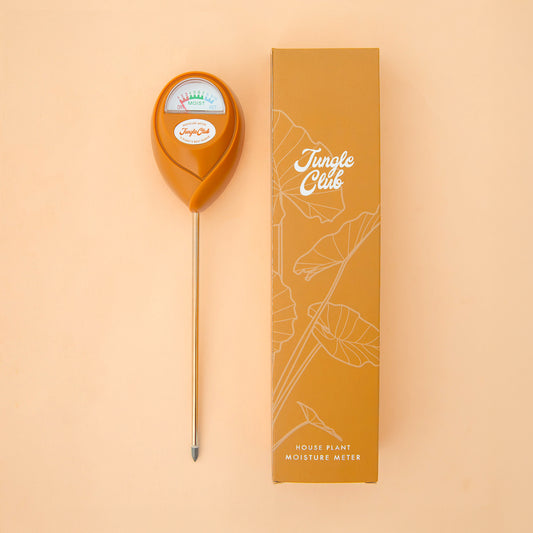
Water: Keep soil moist but well-drained; allow the top few inches of soil to dry between waterings.
-
Hardiness: Suitable for USDA zones 8–11 outdoors; zones 3-7 should grow in containers and move indoors for winter.
-
Care Tip: To encourage fruit production indoors, give the branches a gentle shake or use a small paintbrush to hand-pollinate the blossoms.
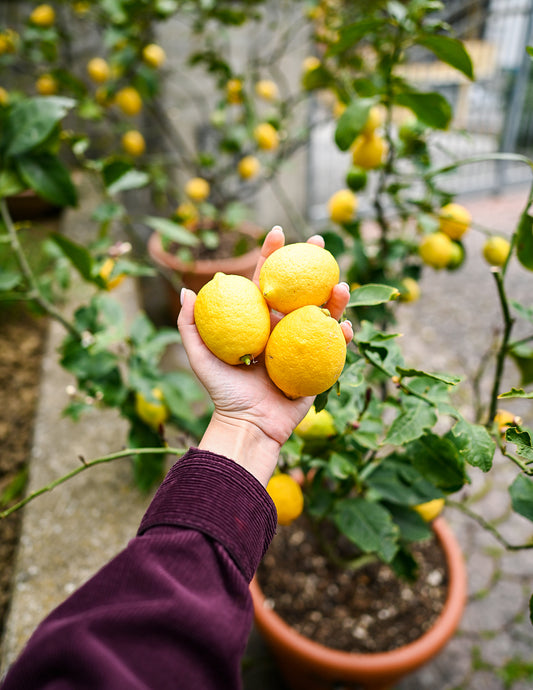
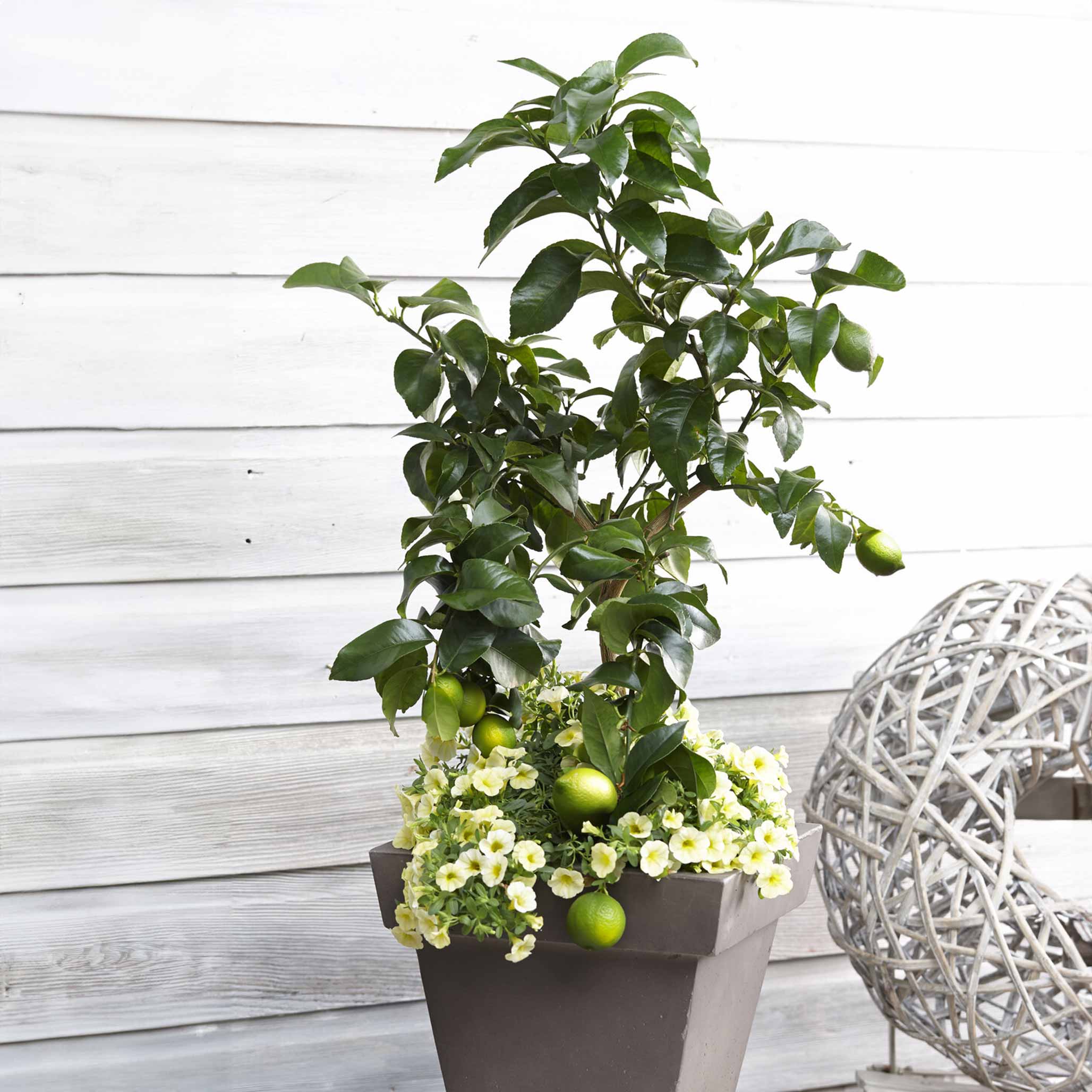
The Key lime (Citrus x aurantiifolia) is a favorite among gardeners for its aromatic, tart fruit and glossy evergreen leaves. Often called the "Mexican lime" or "Bartender’s lime," the Key lime is more compact and heat-tolerant, making it an ideal choice for both sunny patios and bright indoor spaces. While we closely associate them with the iconic Key Lime Pie, their high acidity and aroma make them the perfect ingredient for marinades, zesty ceviches, and bright summer cocktails like gimlets or mojitos!
Perfect for new plant parents and seasoned gardeners alike, these tips will help you grow a thriving Key lime tree, no matter how much (or how little!) space you have.
What kind of light does a Key lime tree need?
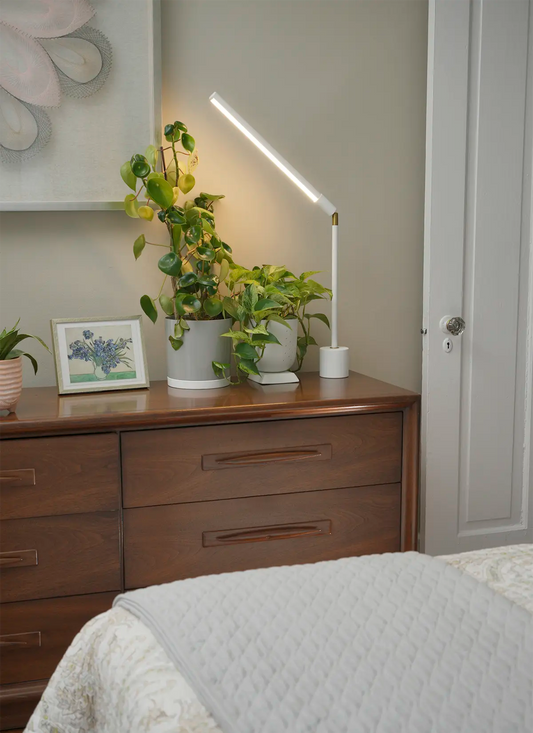
To produce those signature small, juicy fruits, Key Limes need at least 6 to 8 hours of direct sunlight daily. When growing outdoors, choose the sunniest spot in your garden, as they love heat even more than lemons do. For indoor trees, place your plant in an unobstructed south-facing window to receive full sun conditions. If your home doesn't get enough natural light, supplement with a grow light to keep the tree productive and prevent leaf drop.
How often should you water a Key lime?
If you are growing in planters, check the potting mix every few days by sticking your finger a few inches into the pot. If it feels dry, water thoroughly until it runs out of the drainage holes. For trees planted in the ground, established Key limes are moderately drought-tolerant but will produce better fruit with regular deep waterings once or twice a week, especially during the flowering and fruiting stages.
How much humidity does an indoor Key lime tree need?
Key limes love humidity just as much as they love the sun, thriving best when levels are around 50–60%, though they are resilient enough to handle levels as low as 40% without much fuss. The easiest way to keep your tree comfortable is with a humidifier, which creates a consistent 'microclimate' of moist air that helps your plant thrive year-round. Unlike misting, which only provides a temporary moisture boost, a humidifier maintains a steady, controlled environment that mimics the tree's natural habitat.

How do you choose the right soil and fertilizer for Key limes?
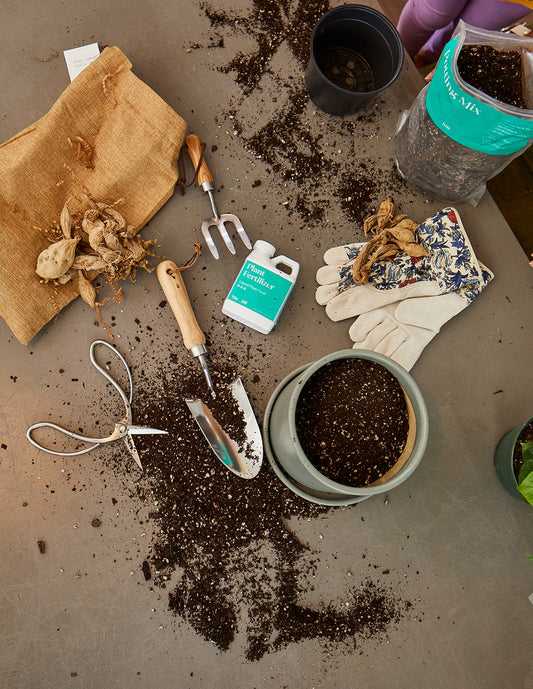
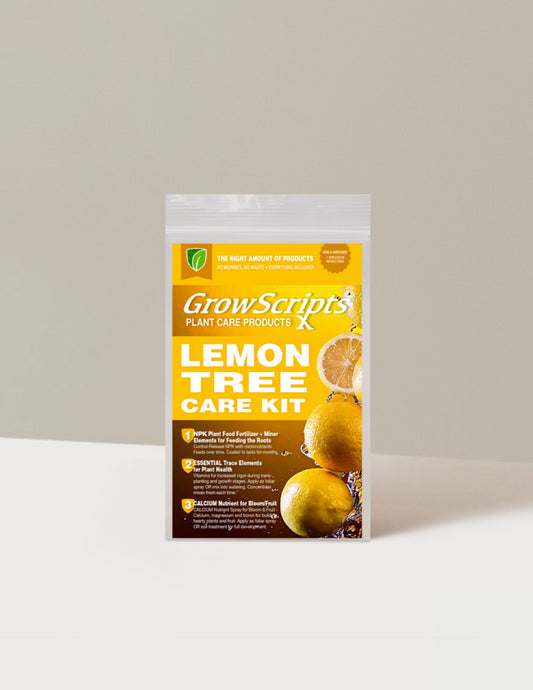
Key limes prefer slightly acidic, well-draining soil. For container plants, use an organic, well-draining potting mix to ensure proper aeration. Avoid heavy garden soils which can compact in containers. Regarding fertilizer, citrus trees are "heavy feeders." To take the guesswork out of feeding, we recommend a high-nitrogen citrus fertilizer or a slow-release formula applied during the growing season (spring through summer) to ensure your tree has everything it needs.
How do you care for a Key lime tree indoors vs. outdoors?
For outdoor growing in Zones 9–11, Key limes can stay outside year-round! They are more sensitive to cold than Meyer lemons, so if a frost warning occurs, be sure to cover your tree with burlap, a frost cloth, or bring indoors temporarily if it's in a container.
For indoor/patio growing in Zones 3–8, keep your tree in a container and move it outside in late spring once the danger of frost has passed and night temperatures stay above 50°F. In the fall, bring it back inside before the first frost. Always acclimate your tree slowly over a week when moving it to prevent leaf drop caused by sudden environmental changes.
How and when should you repot a Key lime tree?
Wait at least one week after your tree arrives to allow it to acclimate to its new environment before repotting it out of the plastic grow pot. Choose a container that is only 1–2 inches larger than the current one to ensure the soil doesn't stay too saturated. After this initial move, plan to repot your Key lime every 2-3 years, typically in the spring, to refresh the soil and give the roots room to expand as the tree matures.
FAQ's
What is the difference between a Key lime bush and a Key lime tree?
Both are the exact same plant, but they are pruned and trained differently! A bush is allowed to grow branches lower to the ground, creating a fuller appearance. A tree (or standard) has been pruned to have a single, clear trunk with the foliage and fruit-bearing branches concentrated at the top.
How long does it take for a Key lime tree to produce fruit?
Key limes are known for being prolific producers. Depending on the size, some may already be producing fruit when they arrive. Generally, you can expect a harvest within 1 to 2 years for most nursery-grown trees.
Are Key lime trees toxic to pets?
Yes, like most citrus trees, Key limes contain essential oils (limonene and linalool) and psoralens that are toxic to dogs and cats. While the juice of the fruit is generally safe in tiny amounts, the leaves, bark, and skin can cause digestive upset or skin irritation if ingested or touched.
How big do Key lime trees get?
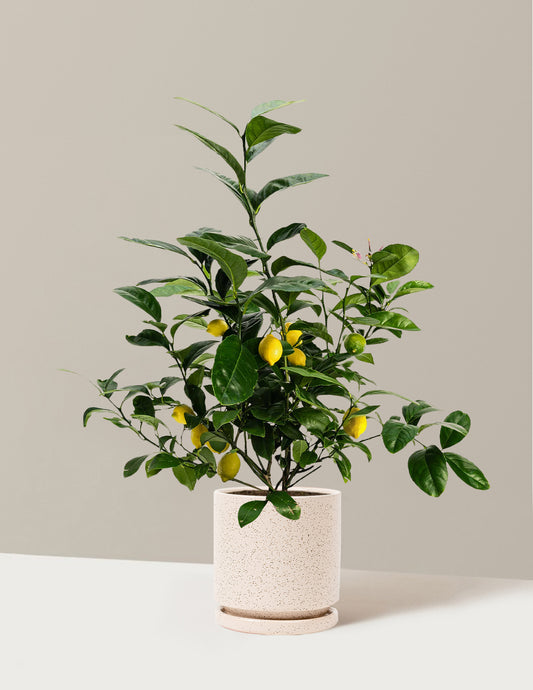
When planted in the ground in ideal tropical conditions, a Key lime tree can reach 6-12 feet in height and spread 4 -8 feet wide. However, when grown in containers, the tree’s size is naturally restricted by the pot. You can expect a container-grown tree to stay a manageable 3 to 5 feet tall, making it perfect for patios and indoor nooks!
Perfect Pairings For Your Plants
-
-
-
New Arrival
-
-
New Arrival
-
-
-










Words By The Sill
Empowering all people to be plant people—a collection of articles from The Sill's team of plant experts across a variety of plant care topics to inspire confidence in the next generation of plant parents. Welcome to Plant Parenthood™.
Do Some Plant Shopping