Plants 101
5 Causes For Your Plant's Browning Leaves
Don't let brown leaves get you down—they aren't a sign of failure, just feedback! Discover the 5 most common causes of browning and the simple solutions to help your houseplants find their glow again.

At A Glance:
- Diagnosis by Location: Browning at the tips and edges typically indicates underwatering or low humidity, while spots in the center often indicates disease or sunburn.
- Irreversible Damage: Brown foliage is dead tissue that cannot turn green again. Treatment focuses on pruning and adjusting care to protect new growth.
- Leaf Spot Diseases: Irregular brown spots usually indicate a fungal infection that can enlarge and spread if air circulation is poor or foliage stays wet.
- Natural Life Cycles: Not all browning is bad! Natural shedding of older leaves and acclimation stress in new plants are normal parts of a plant’s development.
Watching your lush plants develop crispy, brown leaves can feel a bit like a heartbreak, but take a deep breath, it’s all part of the journey. Whether it's your towering Fiddle Leaf Fig or a tiny succulent on your desk, browning leaves are simply your plant’s way of striking up a conversation. They aren’t 'failing', they are just giving you a little feedback on their environment. To help you approach these signals with confidence (and zero stress), we’ve rounded up the top five reasons your plant might be turning brown, and exactly how to prevent more from appearing.
Why Do Leaves Turn Brown?
Browning on your houseplants is essentially dead, tissue (necrosis) and while we wish we had a magic wand to turn it back to green, once a leaf has browned, that specific spot won't recover. But don't let that discourage you! Think of these as a check engine light; by identifying where and how the browning is occurring, you can adjust your care routine to stop the spread and ensure all new growth stays vibrant and healthy.
Whether the crispiness is limited to the very tips or appearing as mysterious patches in the center of the leaf, each pattern may tell a different story. From thirst to temperature shocks, understanding these visual cues is the first step toward a thriving plant collection.
Brown, Crispy Tips and Edges
If you notice your plant has browning edges and curling leaves accompanied by dry soil, it's likely under-watered. When a plant is dehydrated, it prioritizes survival by shedding moisture from its furthest extremities, the leaf tips! Water your plant evenly and thoroughly to saturate the soil, and give your plant a few days to perk back up. While the browning leaf tips will scar, it shouldn't spread to other leaves, and you can always prune off what doesn't make you happy.
On the other hand, if your soil is moist accompanied by the browning leaf tips, the culprit is likely low humidity if it's a humidity sensitive plant. Most houseplants are tropical and crave moisture in the air. In dry indoor environments, especially during winter when the heater is on, moisture evaporates from the leaves faster than the plant can replace it. If this is the case we recommend adding a humidifier to localize humidity consistenly around the plant year-round.

Dark Brown, Soft, or Mushy Spots
While crispy brown usually means dry, dark brown-to-black, mushy spots often mean overwatering. This is either caused by watering your plant before it's ready or because it's sitting in a low-light spot where the soil stays damp for too long. When roots sit in waterlogged soil, they lose access to oxygen, leading to rot that manifests as soft, dark leaf tissue. Prune off any browning leaves, allow your soil to dry out more between waterings or move it closer to a window if it's far from one.
However, if you know your watering schedule is on point, consider the temperature. Exposure to cold drafts your plant can’t tolerate can cause cold damage, which actually shares the same mechanism of damage as overwatering. Cold temperatures can cause the water inside plant cells to freeze and burst, or simply shut down the roots' ability to function, resulting in those same mushy, dark brown patches.
Irregular Brown Spots or Lesions
Irregular brown leaf spots, often surrounded by a yellow halo, are usually caused by an infection. Leaf spot disease is typically caused by fungal or bacterial pathogens that sometimes spread and enlarge over time to form larger necrotic (dead) areas. Overwatering, poor air circulation, and wet foliage usually promotes the growth of these pathogens (but they can also be spread by pests!).
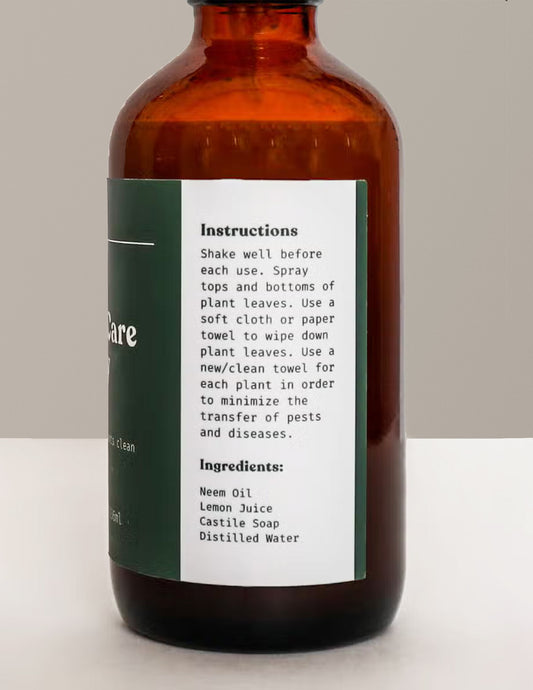
The best way to stop the spread is by removing and disposing of the affected leaves. Try to improve air circulation around your plant and keep the foliage dry when watering. You can also apply a fungicide or Neem Oil to protect the remaining healthy leaves.

Large, Tan, or Bleached Patches
Large, papery brown patches in the center of the leaf often indicate leaf scorch or sunburn. Depending on your plant type, this damage might also present as blanched, pale spots or even localized black patches. This occurs when direct light is too intense for the foliage to handle or when a leaf suffers temperature shock from touching a hot windowpane or sitting too close to a heater.
The best thing to do is to prune off the damaged foliage and move your plant a few feet back from the window or use a sheer curtain to filter the light. Ensure they are kept away from direct drafts like radiators and maintain a stable environment.
Only Mature Leaves Have Brown Edges
As plants mature, older leaves eventually "age out," turning yellow or brown before falling off to make room for new growth. This is a perfectly natural part of a plant’s life cycle! Additionally, if you’ve recently brought a new plant home, it may drop a few leaves as it deals with acclimation stress as it adjusts to it's new environment. If your plant is happy and healthy otherwise, and only older, mature leaves are browning and dropping, there is no need to worry!

Conclusion
Identifying the cause of browning leaves requires careful observation and, occasionally, a bit of trial and error. By considering factors like your watering consistency, humidity levels, and light exposure, you can often diagnose and correct the issue before it spreads. If you’re still having trouble pinpointing the problem, we’re here to help! You can sign up for one of our upcoming workshops to learn the ropes or schedule a 1:1 virtual consult with one of our plant experts for a personalized diagnosis.
Perfect Pairings For Your Plants
-
-
New Arrival
-
-
New Arrival
-
-
-
Soltech Solutions
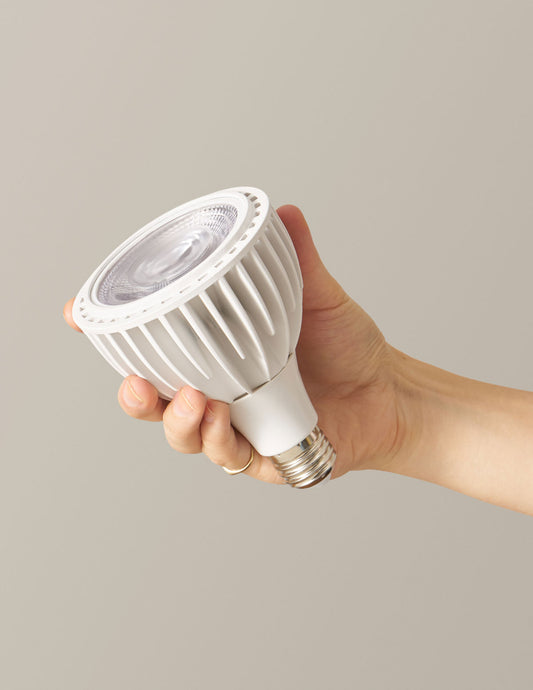
Vita Grow Light Bulb
LED grow bulb that supports the growth of your plantsFrom $85








Words By The Sill
Empowering all people to be plant people—a collection of articles from The Sill's team of plant experts across a variety of plant care topics to inspire confidence in the next generation of plant parents. Welcome to Plant Parenthood™.
Do Some Plant Shopping