Plants lead inner lives that are full of #drama. In short, some plants do not get along with other plants. This is called allelopathy and instead of using their words, plants use biochemicals to communicate to other plants that can’t sit with them. Let’s get into it.
What is allelopathy?
Sounds like a hip new therapy but, it’s actually the process whereby plants use biochemicals to signal and communicate to one another. If plants do not like each other, this can be downright poisonous. Plants that have evolved in highly competitive areas sometimes have the ability to suppress the growth of, or kill off other plants that try to invade their space. This phenomenon is called allelopathy.
Biochemicals are produced by a plant’s roots and are only effective against plants growing nearby in the same soil and only up to a certain distance. Take pine trees for instance. Ever notice how it’s pretty barren underneath a pine tree? That’s allelopathy at work. Pine trees are a little extra in that they take allelopathy to the next level. Pine trees poison the soil with tannins, yes the same chemical found in red wine that gives it its flavor, and can also irritate some red-wine drinkers. They also squeeze all the moisture out of the top layer of soil around them, so even though it rains, directly under pine trees is usually the first to dry. Go to your nearest park to see it yourself.
Walnut trees are also famous for allelopathic properties, producing juglones or walnut chemicals that poison the ground and suppress plant growth around them. Not all plants succumb to these poisons and the concentration of these poisons in the soil is dependent on distance from the plant, concentration and soil type. Various plants including some species of grasses, however, are tolerant and can often grow quite close to the tree.
How does this affect houseplants?
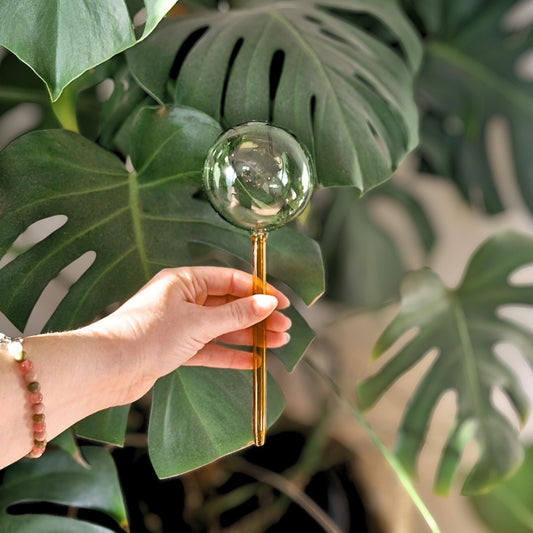
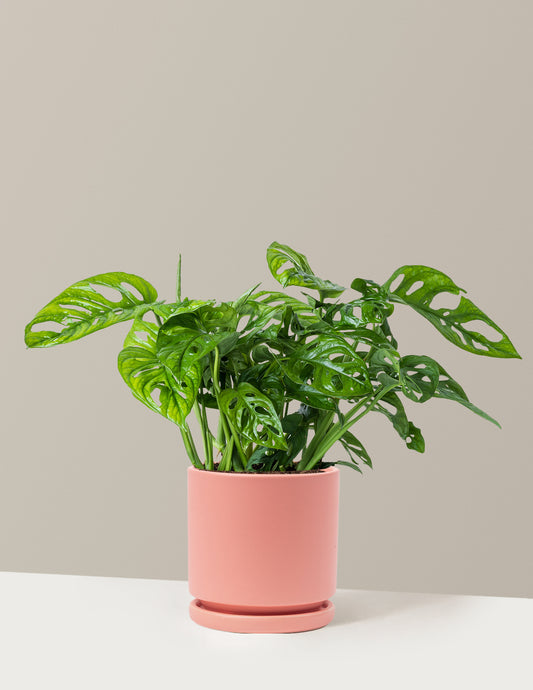
Our previous examples are of trees in the wild, but allelopathy can also be observed in houseplants. Monsteras, the prime example, should not be planted in the same pot as any other plant, as they suppress the growth of other plants around them. Most other houseplants are fair game for planting together. You’ll want to make sure that you plant plants of the same type together. For example, succulents and cacti should never be planted with moss because moss likes wet conditions. Instead, they should be planted with other plants that like the same dry, arid conditions that they do. Generally speaking, most plants are inclined to play nice. As long as you keep like-plants together, they’ll use their communication skills to help each other out.