Plants 101
How to Get Rid of Fungus Gnats
Tired of tiny black flies swarming your houseplants? While fungus gnats are a common nuisance, they’re actually easy to eliminate with the right strategy. Here is exactly how to get rid of fungus gnats using simple, effective methods that keep your indoor jungle pest-free.

Key Takeaways
- Trap the Adults: Use sticky traps to catch flying adults and prevent them from laying new eggs in the soil.
- Kill the Larvae: Apply BTI (Mosquito Bits) or an organic insecticide to the soil to safely eliminate the larvae.
- Create a Barrier: Add a layer of horticultural sand, gravel, or rice hulls to the top of the soil to block gnats from entering the soil.
- Dry it Out: Allow soil to dry out more between waterings or bottom water your plants to starve the larvae and slow down the life cycle.
What Are Fungus Gnats?
Tiny bugs that look like fruit flies. They seem to come out of nowhere and all at once. As grubby larvae, fungus gnats eat the fungi that lives in your soil. Adult fungus gnats who have wings but prefer to walk, hardly feed on fungus at all. In small numbers, fungus gnats are pretty harmless to your plant and have no interest in you or your pets!
In a typical indoor setting, they are primarily a nuisance rather than a threat to your plants. While they are certainly annoying to have flying around, most instances of actual plant damage are documented in large-scale commercial settings. In your home, these tiny visitors are simply a sign of healthy organic activity in the soil, and they won't interfere with the well-being of your indoor jungle!
Where do Fungus Gnats come from?
Fungus gnats can sneak in through window screens, open doors, or even arrive hidden in a brand new bag of potting mix. If there’s damp soil anywhere in your home, they’ll find it and move right in. That said, it’s important to note that pests are totally normal. They are not a sign of poor hygiene or lack of care on your part, it’s just nature taking its course!
Bugs can remain invisible to us, even when we inspect our plants before purchasing. Check in on plants from time to time for pests and make sure they aren’t under stress, lacking light, have too much water or not enough, and that the humidity levels are ideal — any one of these or a combination of factors can be the perfect mix for pests to emerge.

Getting Rid of Fungus Gnats
No matter how those uninvited guests found their way into your home, you need to act fast. At the first sign of a fungus gnat, start your pest management plan to keep the infestation from blowing out of control—especially if your space is on the warmer side, as heat causes them to reproduce fast. Follow our step-by-step guide below to clear your plants for good. Just remember: clearing gnats isn't a sprint, it’s a marathon that requires consistency!
Step 1: Stop the Egg-Laying
The goal is to stop the adults immediately. Just one fungus gnat can lay up to 200 eggs in your soil, so you have to move fast! Note that some adults may have already laid their eggs before becoming stuck to the trap, and more gnats may be hatching soon.
-
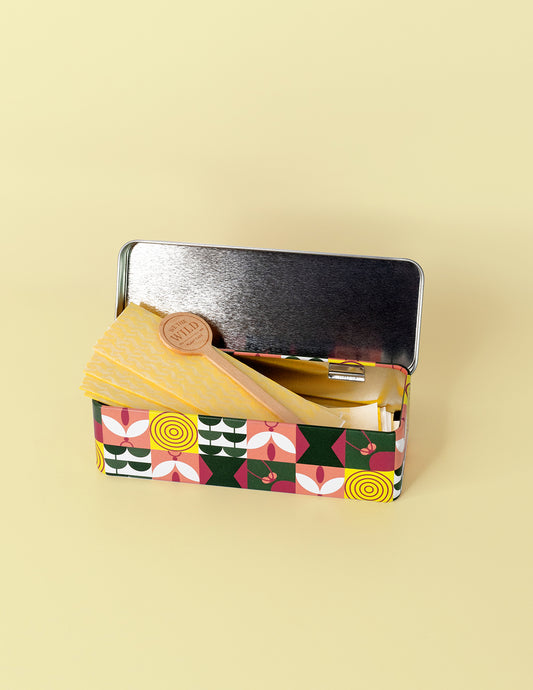
Set your sticky traps: Use our discreet compostable sticky traps to catch the adults before they can reach the dirt to lay more eggs.
-
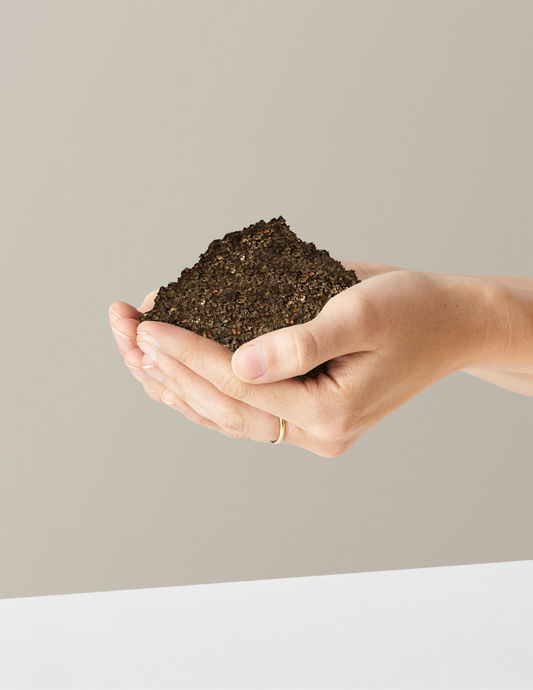
Add a barrier: Cover the top of your soil with a 2-inch layer of horticultural sand, gravel, or rice hulls. This acts like a shield that prevents adults from burrowing in to lay more eggs since they only crawl into the first few inches of soil!
Step 2: Treat the Soil
Traps catch the adults, but you also need to handle the larvae hiding beneath the surface of the soil. These treatments stop the larvae from pupating and turning into those annoying flying adults!
-
Kill the larvae: Use a natural soil drench like Neem oil, an organic insecticide, or BTI (Bacillus thuringiensis israelensis) which is a natural bacteria that specifically targets the larvae of flying insects. You can find it in convenient concentrated drops to add directly to your watering can, or as "Mosquito Bits.
Step 3: Adjust Your Watering Routine
Fungus gnats are only interested in the first couple of inches of damp soil, so changing how you water makes your pots much less "homey."
-
Dry it out: Depending on your plant type, try letting the soil dry out a bit more than usual between waterings.
-
Bottom water: Instead of pouring water on top, let your plant soak it up from the drainage tray. This keeps the surface soil dry and unappealing to gnats.
FAQ's
How do I tell the difference between fungus gnats and fruit flies?
Fungus gnats like to hangout near your plants soil, though they might wander toward a bright window or screen. Fruit flies prefer the kitchen, usually buzzing near your drains, trash, or fruit bowl. Basically, if they’re living around your plant collection, they’re definitely fungus gnats!
Do fungus gnats bite humans or pets?
Nope! They’re strictly into plants. They’re annoying as heck to have flying in your face, but they don't bite or carry diseases.
Will fungus gnats kill my plants?
Usually, they’re just a nuisance. However, a massive infestation of larvae can snack on delicate baby roots, so it’s best to show them the door before they get too comfortable.
What are the best plants that don't attract gnats?
Since gnats need damp soil to survive, drought-tolerant plants like succulents, cacti, and ZZ plants are perfect because they prefer to dry out completely between waterings.

Conclusion
Plant pests are annoying but harmless to humans and pets! They are relatively easy to be rid of with a few simple solutions as long as you know what you are treating. Be sure to check out our articles on how to get rid of mealybugs, spider mites, and scale!
Perfect Pairings For Your Plants
-
-
New Arrival
-
-
New Arrival
-
-
-








Words By The Sill
Empowering all people to be plant people—a collection of articles from The Sill's team of plant experts across a variety of plant care topics to inspire confidence in the next generation of plant parents. Welcome to Plant Parenthood™.
Do Some Plant Shopping